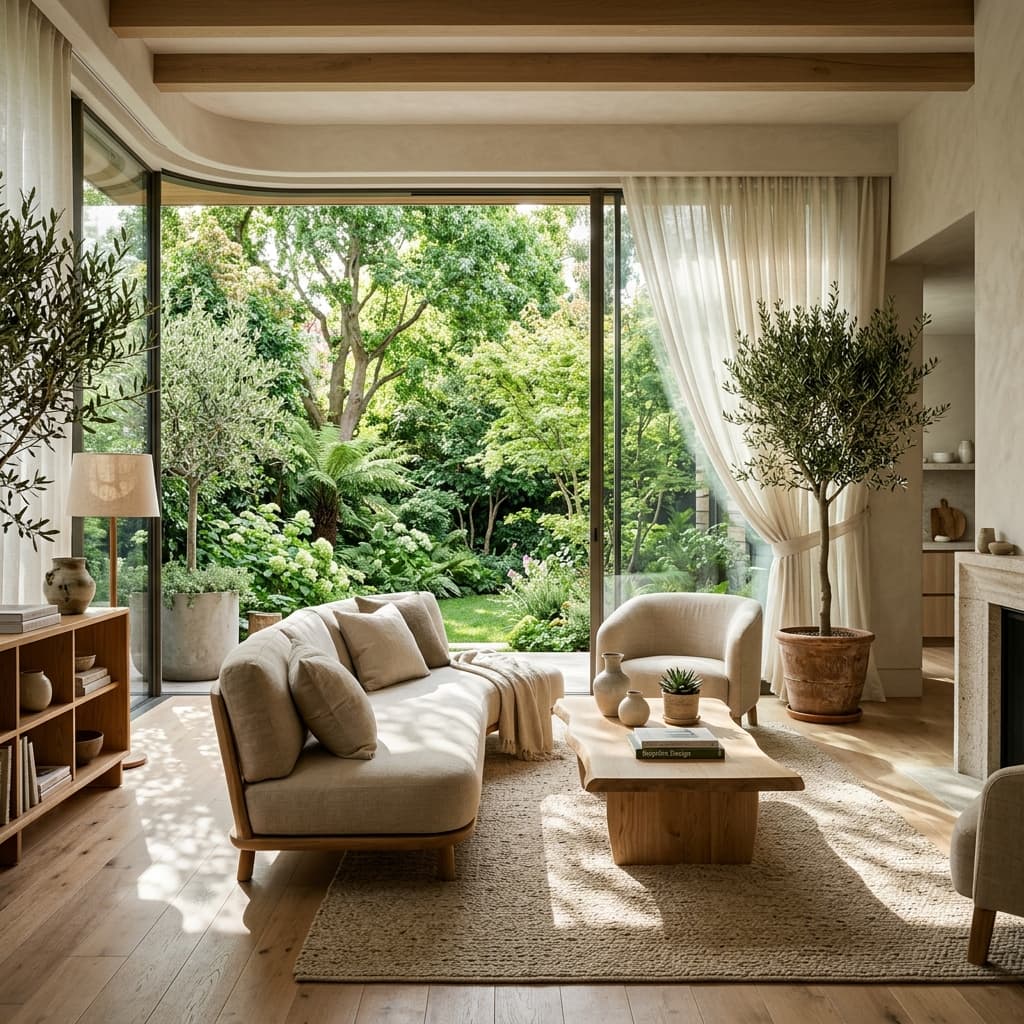
Biophilic Design: 5 Wellness Rules for Modern Homes in 2026
How to integrate nature into your home for better health, sleep and focus. A research-backed guide to circadian lighting, green walls, organic materials, and clean air.
In 2026, the concept of a home has fundamentally shifted. We no longer design interiors purely for visual aesthetics or status. Instead, the focus is on how a space makes us feel, function, and heal.
According to global research from the World Green Building Council (WGBC) and annual surveys by Houzz, wellness-centric design has become the top priority for home renovations. At the core of this movement is Biophilic Design—the practice of connecting indoor environments with nature to reduce stress, improve cognitive function, and enhance overall health.
Here is a scientific, expert-backed guide to the 5 rules of biophilic design you should implement in your home in 2026.
1. Design for Circadian Rhythm (Daylighting & Lighting)
The Science: Human bodies evolved to follow a 24-hour internal clock (the circadian rhythm) controlled by light. Studies by the Harvard T.H. Chan School of Public Health show that exposure to natural daylight in homes improves sleep quality, boosts daytime alertness, and lowers stress levels. Conversely, harsh, static artificial light disrupts melatonin production, leading to chronic fatigue.
How to implement it:
- Max Daylight: Keep windows unobstructed. Use sheer linen curtains that diffuse light rather than block it.
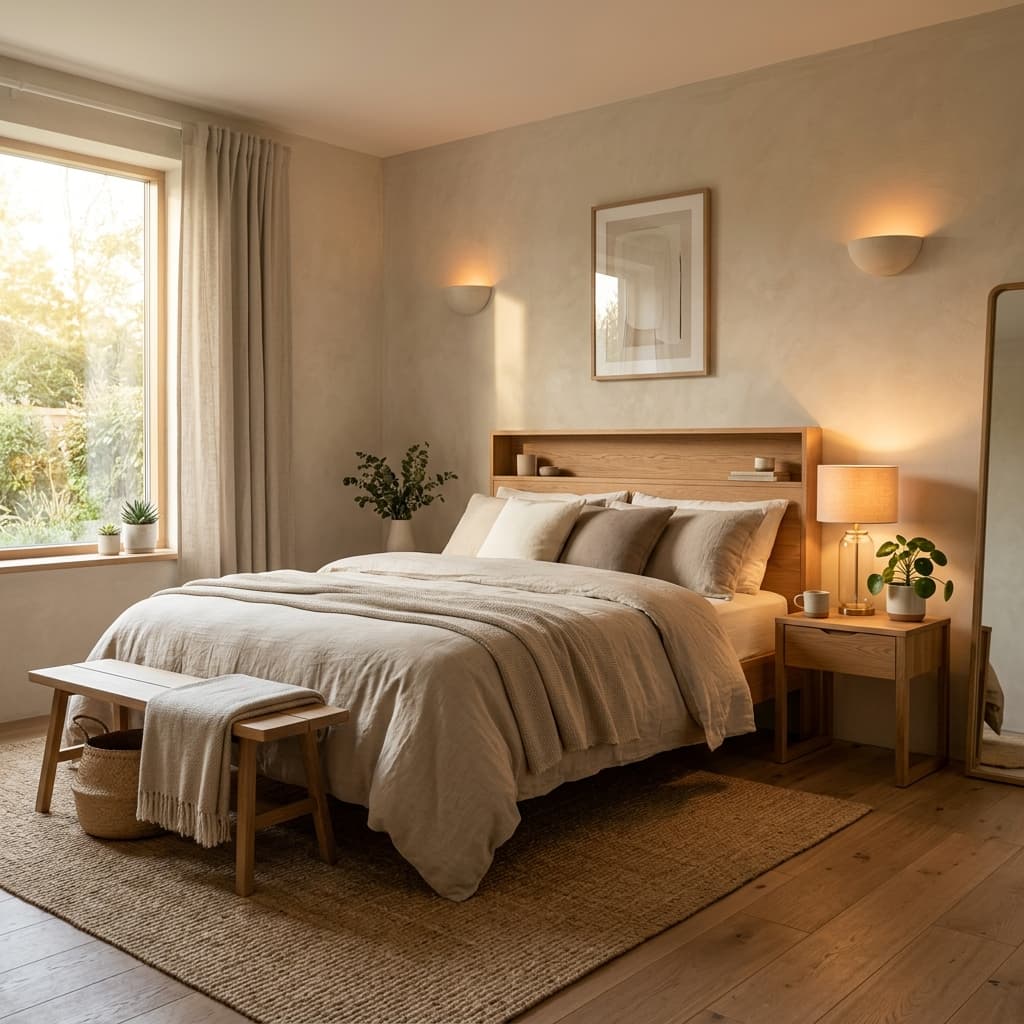
- Dynamic Lighting: Install smart bulbs that adjust temperature and brightness automatically (cool blue-white light at 9 AM for energy, warm amber light at 8 PM for relaxation).
- Layered Lighting: Avoid single, bright overhead fixtures. Instead, use floor lamps, wall sconces, and hidden LED strips to cast soft, indirect glows that mimic natural shadows.
💡 Renovation Tip: To plan the right amount of light fixtures and ensure optimal lux levels for focus or relaxation, use our lighting calculator.
2. Introduce Active Living Greenery
The Science: Potted plants do more than just look pretty. The famous NASA Clean Air Study proved that specific indoor plants (like snake plants, peace lilies, and pothos) remove common household toxins like formaldehyde, benzene, and trichloroethylene from the air. Furthermore, viewing plants regularly has been shown to lower heart rates and blood pressure.
How to implement it:
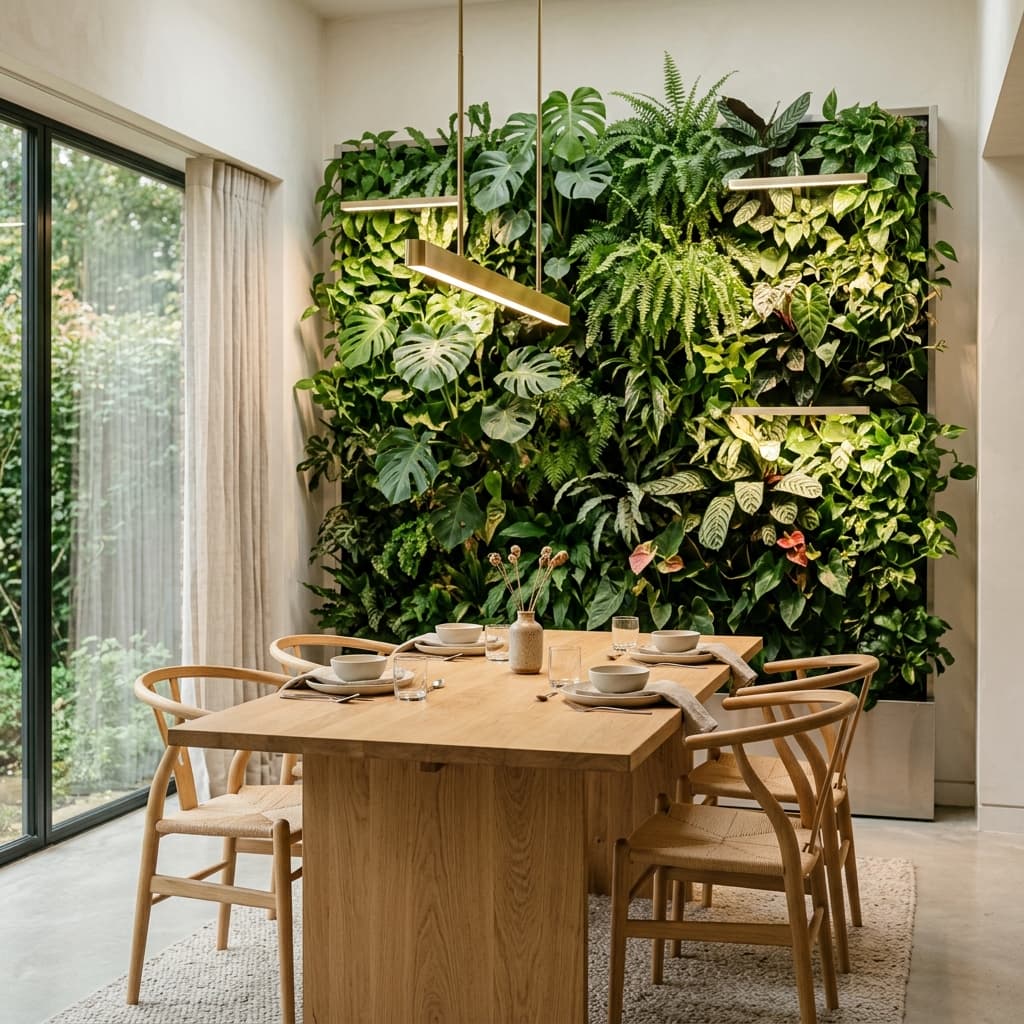
- Vertical Green Walls: If you are short on space, install a living green wall in your kitchen or dining room. Modern systems include automated irrigation and integrated grow lights.
- Zoned Clusters: Instead of scattering small pots randomly, cluster plants of varying heights in corners or near windows to create a dense, micro-forest effect.
- Air Purifiers: Combine plants with mechanical air purification systems to maintain low carbon dioxide and pollutant levels.
💡 Renovation Tip: A healthy biophilic home requires fresh air exchange. You can estimate your home's air exchange requirements and size your exhaust/supply fans using our ventilation calculator.
3. Prioritize Tactile, Organic Materials
The Science: Biophilic design is highly sensory. Touching cold plastic or flat synthetic laminates offers no neurological stimulation. In contrast, running your hands over natural timber or stone triggers micro-moments of mindfulness and grounding. The WELL Building Standard strongly advocates for organic, low-VOC materials that improve indoor air health and physical comfort.
How to implement it:
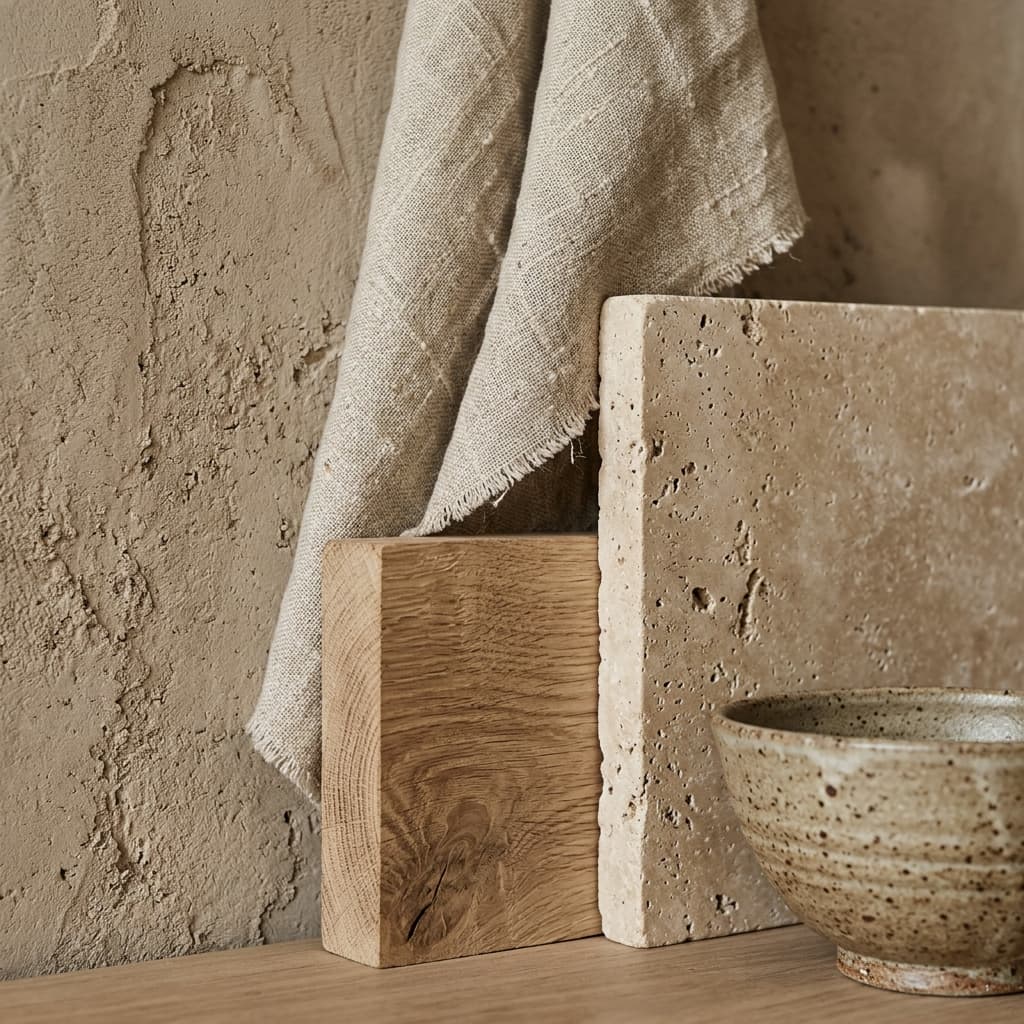
- Real Timber & Natural Stone: Swap glossy plastics and veneers for solid matte white oak, natural travertine, or quartzite slabs.
- Textured Plaster & Linen: Replace smooth drywall with textured clay or lime-washed plaster. Use heavy linen for curtains and upholstery.
- Recycled slate and cork: Use cork flooring or slate composites for a sustainable, soft, and warm underfoot texture.
💡 Renovation Tip: If you plan to upgrade your floors to warm timber, stone tiles, or cork, calculate the exact amount of material and budget required using our flooring calculator.
4. Establish a Visual & Physical Indoor-Outdoor Connection
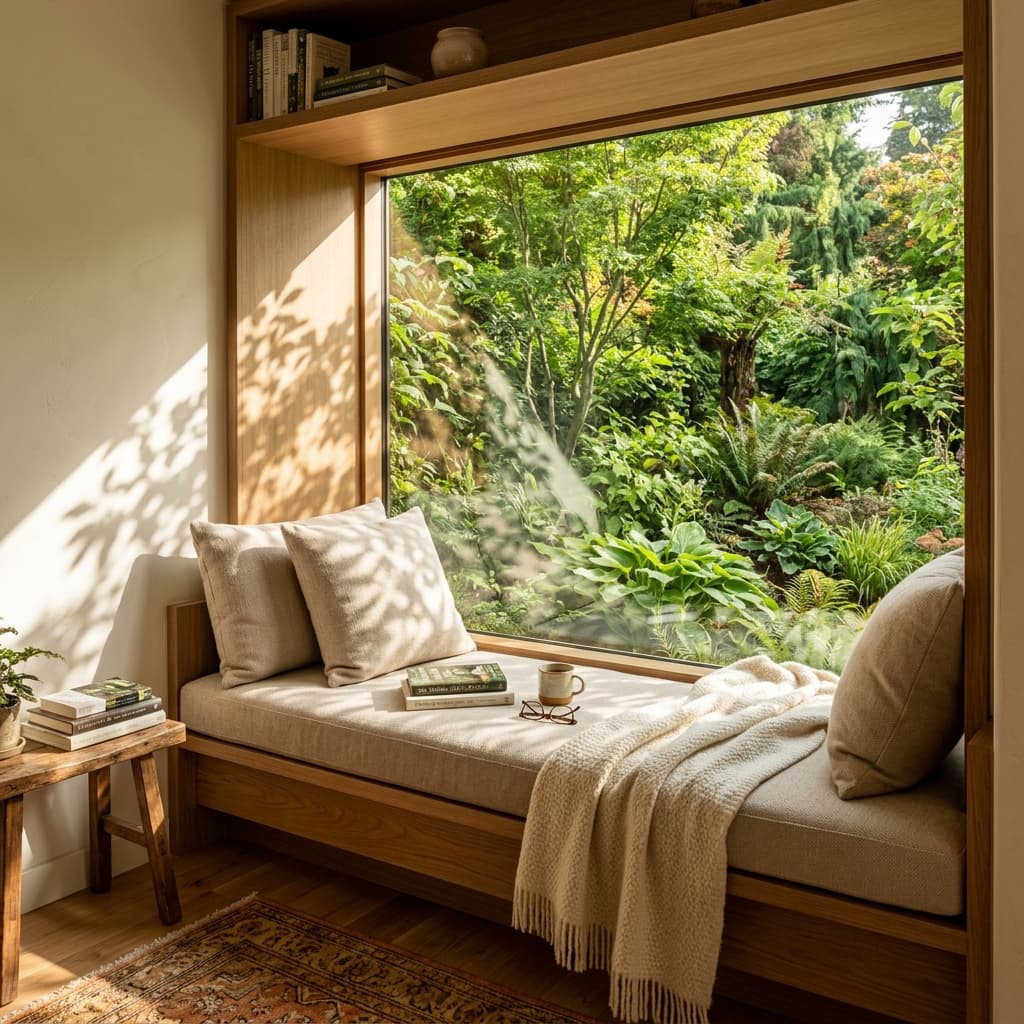
The Science: A key tenet of wellness design is removing the psychological boundary between the inside of your home and the natural world outside. Architects reference this as the "indoor-outdoor transition." Having a direct visual connection to trees, grass, or changing weather patterns reduces anxiety and mental fatigue.
How to implement it:
- Panoramic Framed Views: Arrange furniture so seating zones face windows rather than solid walls. Create a cozy reading nook or alcove directly against a low window ledge.
- Seamless Thresholds: If you have a balcony or terrace, use matching flooring tiles or colors inside and outside to make the space feel continuous.
- Natural Color Palettes: Use wall paints and fabrics that mirror the local environment—sandy beige, muted sage green, and soft terracotta.
💡 Renovation Tip: To build a balanced, nature-inspired biophilic palette for your rooms, generate custom palettes using our color palette generator.
5. Embrace Organic Shapes and Curved Geometry
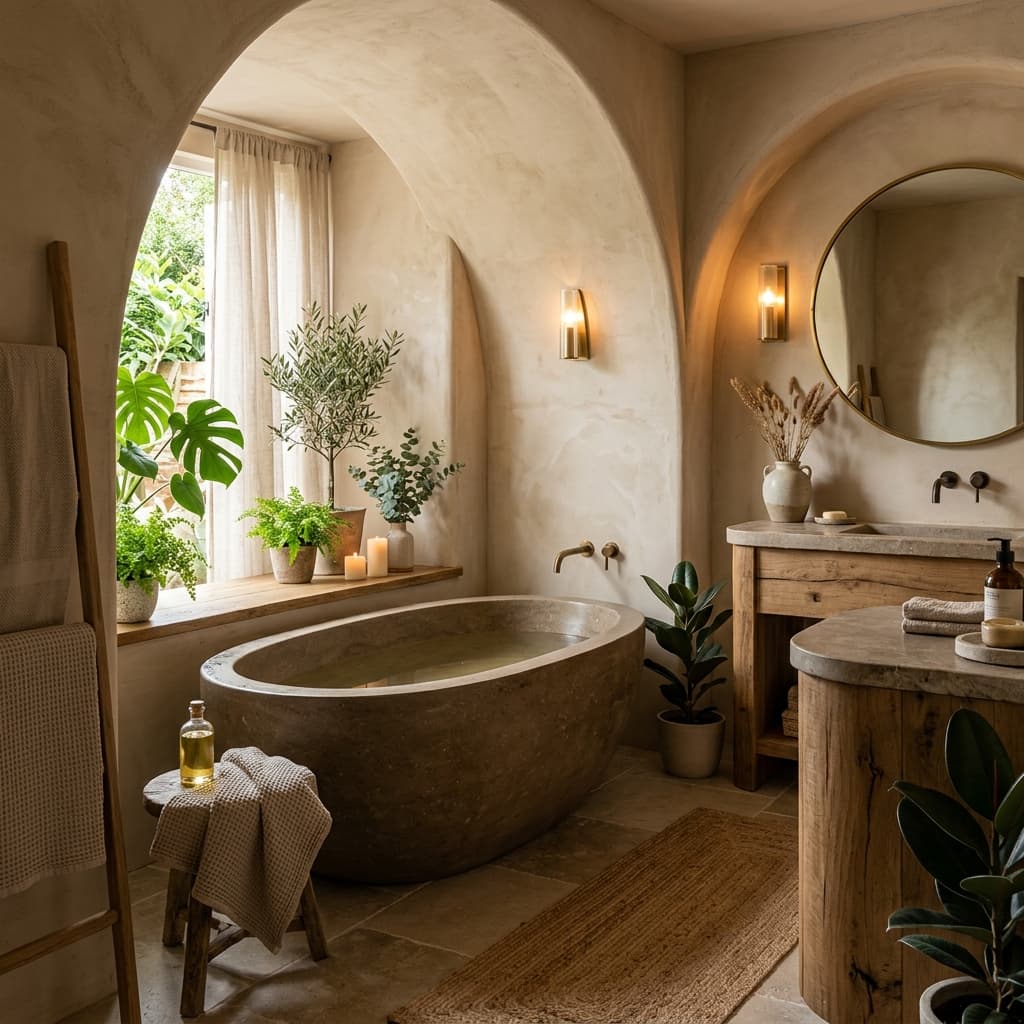
The Science: Nature has very few perfect 90-degree angles. Sharp corners and harsh grids trigger subconscious tension and alertness in our brains. On the other hand, curved lines, arched doorways, and rounded furniture mimic organic forms, which our minds perceive as safe, inviting, and relaxing.
How to implement it:
- Arched Openings: Replace square doorways with soft plastered arches to transition between rooms.
- Rounded Furniture: Choose rounded kitchen islands, circular dining tables, and soft, curved sofas.
- Flowing Layouts: Leave wide, curved walkways through rooms to allow natural, unhindered movement (known as spatial flow).
Summary: Designing for Well-being in 2026
- Circadian Lighting: Use smart bulbs that mimic natural daylight shifts, and plan layout using our lighting calculator.
- Living Greenery: Integrate air-purifying plant clusters and check air exchange with our ventilation calculator.
- Tactile Surfaces: Swap synthetics for matte timber, stone, clay plaster, and calculate floor material needs with our flooring calculator.
- Nature-Inspired Colors: Use earth tones and create a cohesive design using our color palette generator.
- Soft Shapes: Incorporate curves and arches to reduce spatial stress.
Ultimately, biophilic design isn't about buying expensive decor or turning your home into a greenhouse. It is about aligning your indoor life with natural cycles, resulting in a sanctuary that supports your health and happiness every day.
Check airflow before finishes go in
Start with the main calculator, then use the two tools that most naturally follow this article.
This piece is grounded in the article topic, related calculations, and practical renovation decisions without extra theory.