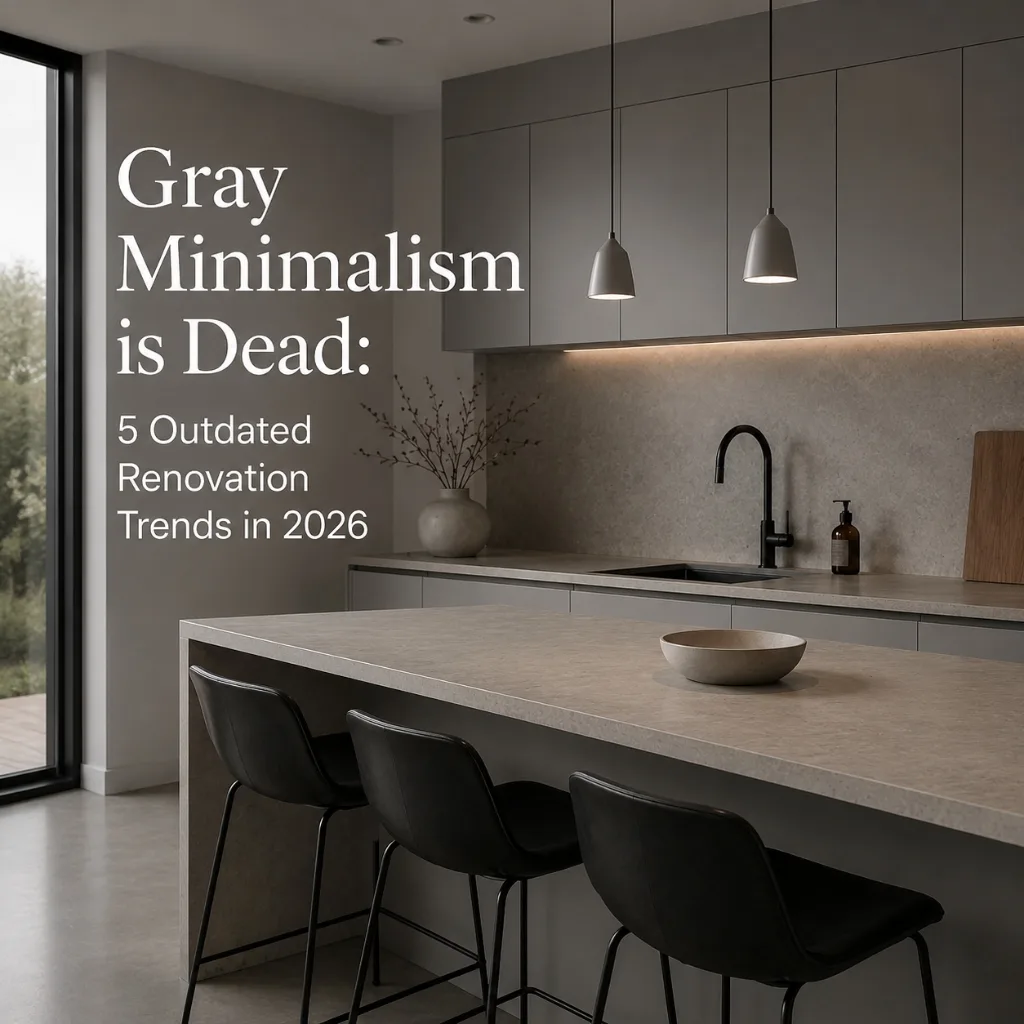
Gray Minimalism is Dead: 5 Outdated Renovation Trends in 2026
Why sterile gray interiors are officially out of style. The top 5 design anti-trends of 2026 based on global research, and a practical guide to creating warm, organic spaces.
For a long time, the formula of "gray walls + white furniture + minimal details" was considered the gold standard of modern housing. But in 2026, the interior design landscape has decisively turned in the opposite direction.
Leading global design authorities (including trend reports from Homes & Gardens, insights from Livingetc, and annual surveys by Good Housekeeping) agree on one thing: cold, sterile minimalism is officially outdated. Homes are no longer being treated as sterile "showrooms"—instead, they are evolving into warm, personal, and lived-in sanctuaries.
Here are the top 5 design signs that will make your home renovation look dated in 2026, along with practical, expert-backed ways to replace them.
1. Sterile Gray Walls ("Millennial Gray")
Why it's out: Cool, steely grays that served as the default neutral of the last decade are now criticized by designers as clinical, cold, and lacking in soul. Gray interiors often feel drab and can make rooms appear smaller and darker than they actually are.
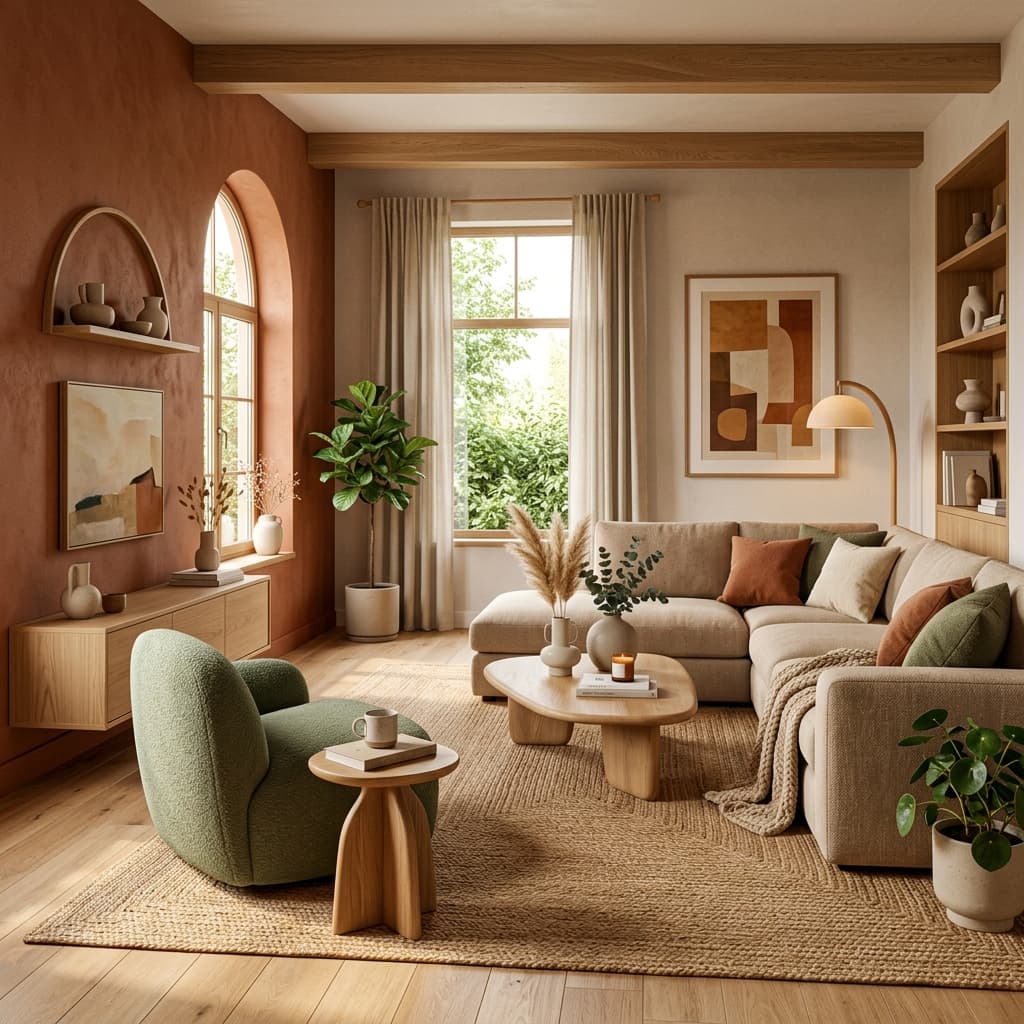
What to use instead: Gray has been replaced by Warm Minimalism. The new neutral spectrum is rooted in nature and earth:
- Sandy beige, soft cream, and warm ochre.
- Terracotta, clay-brown, and rich, grounding shades of soil.
- Greige (putty-like gray with warm undertones) and soft mushroom.
💡 Renovation Tip: If you are planning to paint your walls, estimate your paint volume and budget ahead of time using our paint calculator. To build a balanced, warm palette, try our color palette generator.
2. Wood Tones: Ditch the Matching Sets
Why it's out: Purchasing matching sets of furniture—where the dining table, TV stand, and cabinets are made of the exact same wood veneer—is no longer relevant. According to design experts at Apartment Therapy, matched wood sets strip a room of depth and personality, making it look like a furniture showroom from the 2010s.
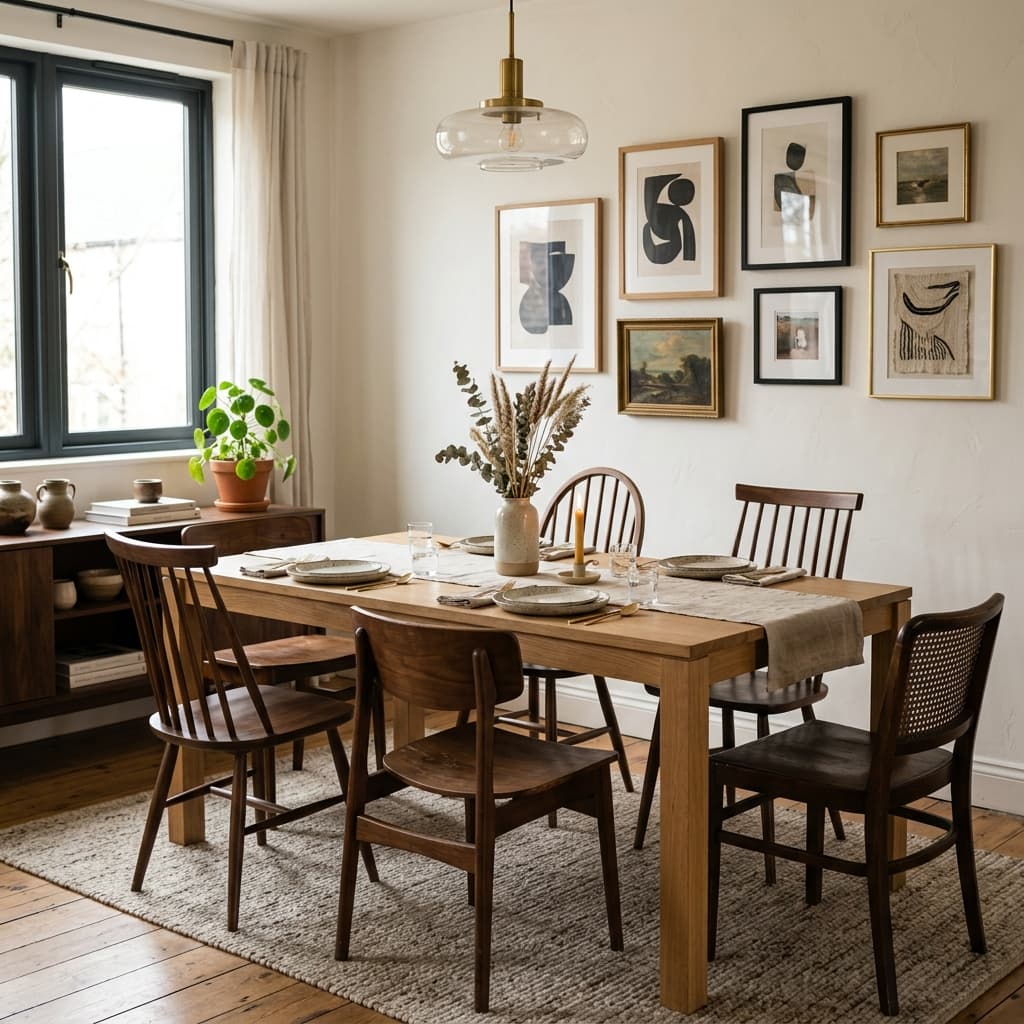
What to use instead: A trend-forward room in 2026 should feel gathered and curated over time (the "collected look"). Experiment with mixing timbers:
- Pair light oak with deep, rich walnut.
- Place one or two vintage pieces alongside sleek, modern furniture.
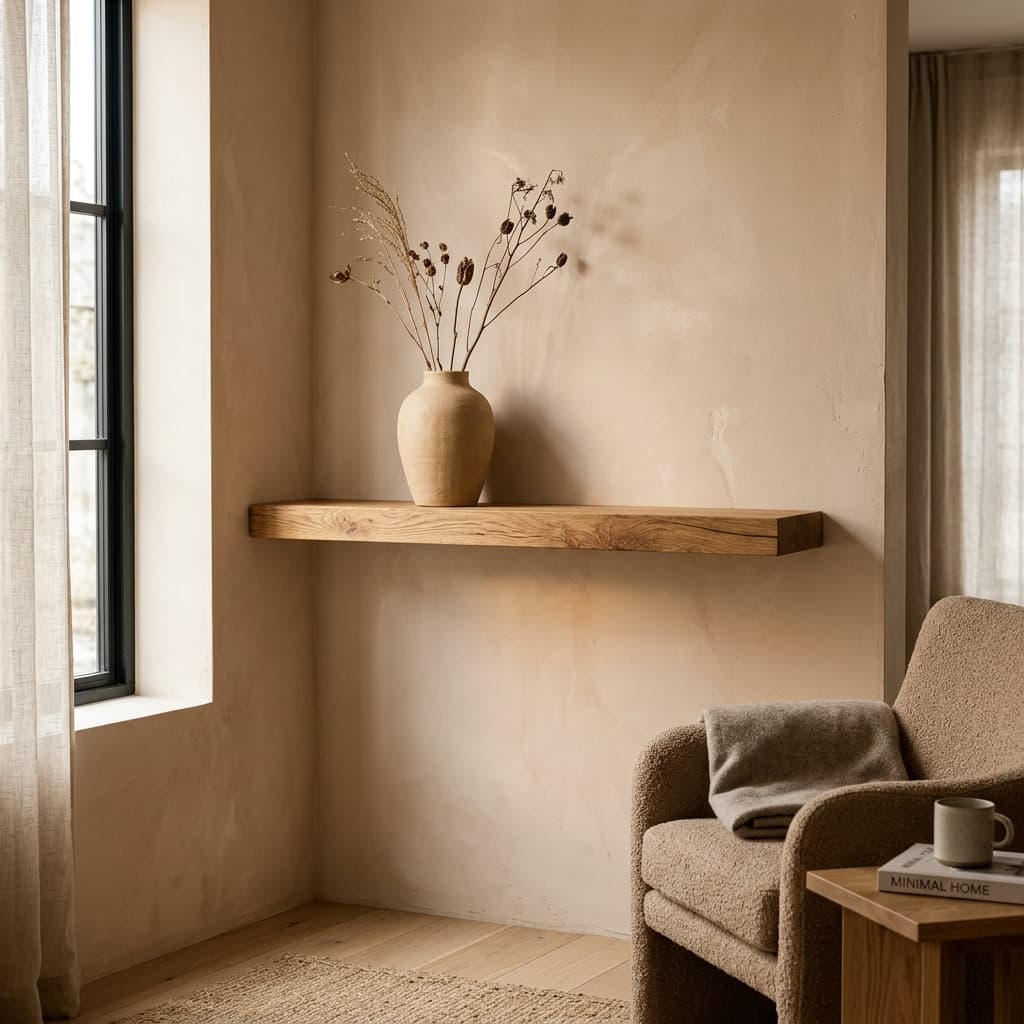
- Prioritize matte, tactile timber textures with visible grain over flat, glossy coatings.
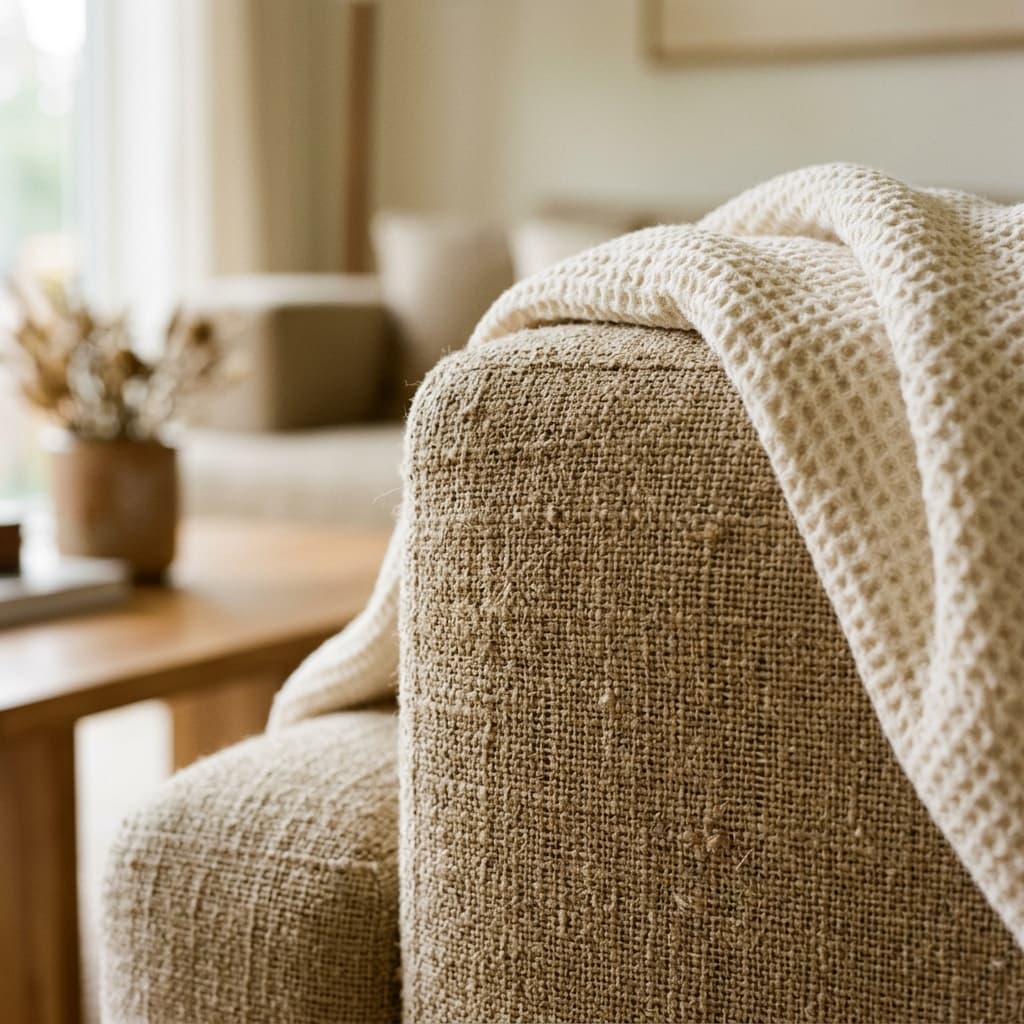
3. Oversaturated Bouclé Furniture
Why it's out: Curved chairs and sofas wrapped in textured "bubbly" bouclé fabric were the ultimate social media design darling for years. However, this has led to market saturation, making bouclé feel like a cheap "fast furniture" trend. Practically, bouclé is also notoriously difficult to clean, trapping dust, pet hair, and dirt easily.
What to use instead: The spotlight has shifted toward other organic, durable, and highly tactile materials:
- Heavy, textured linen and raw cotton.
- Supple, matte leather in natural tan, brown, or olive.
- Ribbed velvet and dense, unevenly woven chenille.
4. Perfect Gallery Wall Grids and Hidden TVs
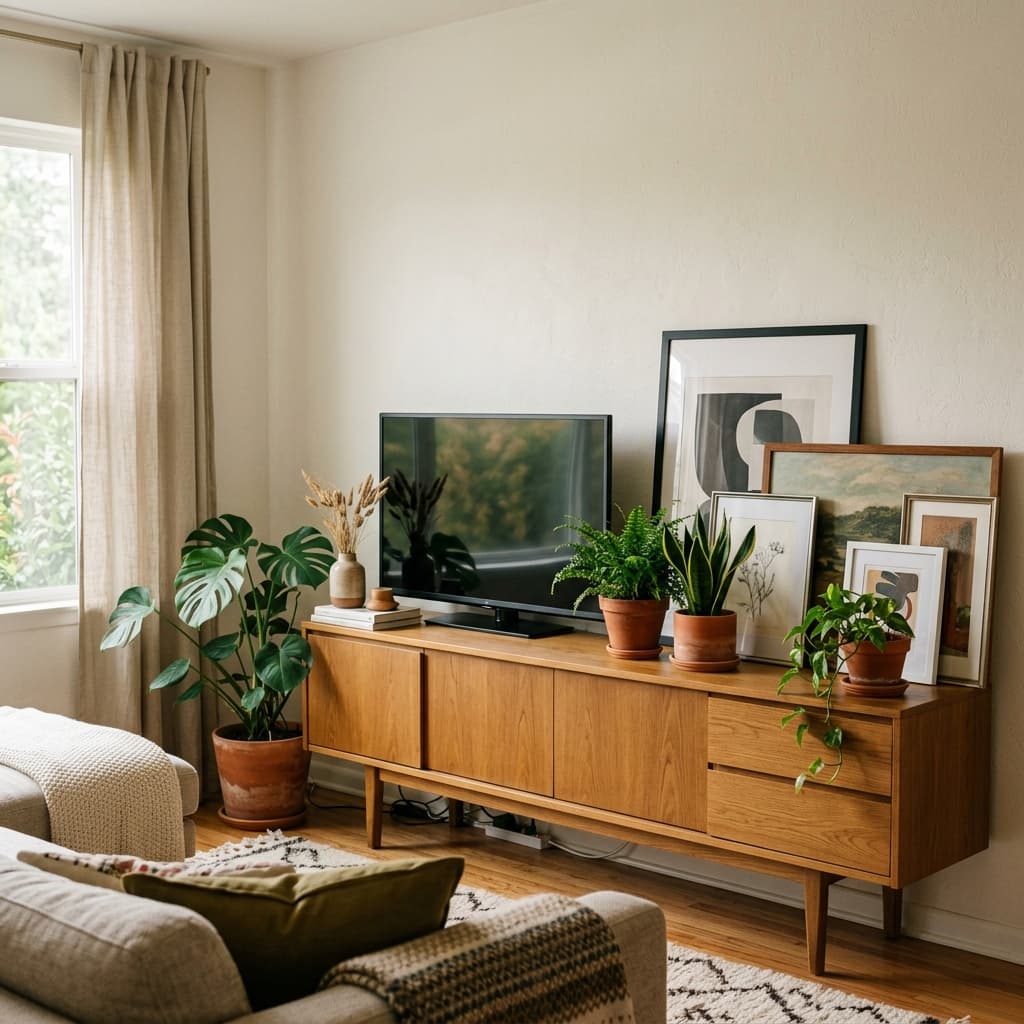
Why it's out: Gallery walls with frames arranged in a strict, millimeter-perfect grid, along with expensive built-ins designed to hide the TV as a faux painting, now feel over-engineered. They create unnecessary tension in a room and detract from casual comfort.
What to use instead: Designers recommend a more relaxed and authentic approach:
- Asymmetrical gallery layouts with frames of different sizes and styles, or simply leaning art against the wall on a console.
- Embracing the TV as a normal part of the living space, surrounding it naturally with books, decor, and houseplants.
5. All-Beige Monochromatic Aesthetics ("Total Beige")
Why it's out: The Restoration Hardware (RH) look—characterized by entirely monochromatic beige spaces with monolithic furniture—used to be a hallmark of luxury. In 2026, this flat aesthetic is being replaced by Joycore, a movement centered on design that induces a dopamine response and personal joy through color.
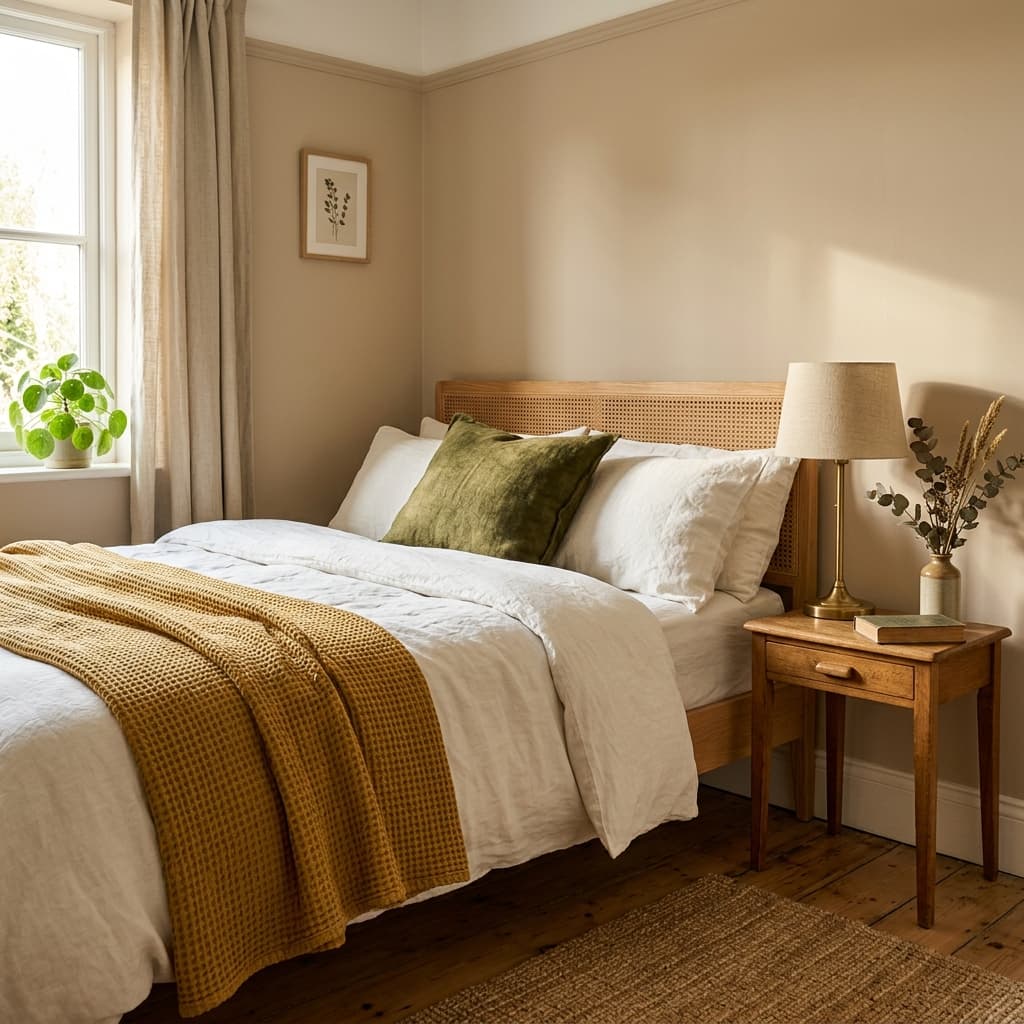
What to use instead: Infuse character into your neutral baseline with subtle colors:
- Deep olive, forest, or sage greens for accent chairs, cushions, and throws.
- Earthy terracotta, warm clay, and muted mustard yellow details.
- Artistic wallpaper with soft organic or geometric prints for focal accent walls.
💡 Renovation Tip: If you choose to break the monotony by adding patterned wallpaper to an accent wall, use our wallpaper calculator. It automatically accounts for the pattern repeat (pattern match) so you can order the exact amount of rolls without overpaying.
What the Research Shows
The shift toward warmth and nature is more than just a passing designer whim—it is supported by environmental and psychological studies.
According to a Forbes report on sustainable home design (Forbes Interior Design Trends), durability, longevity, and material health are the top renovation priorities in 2026. Homeowners are rejecting cheap synthetics and fast furniture in favor of certified solid timber, natural stone, and VOC-free, non-toxic paints.
Additionally, the National Kitchen & Bath Association (NKBA) reports a surge in wellness-focused home design. This includes layered, task-oriented lighting and heated floor systems, both of which are designed to support comfort and reduce daily stress.
💡 Renovation Tip: To build a wellness-focused space, get your lighting levels right with our lighting calculator and estimate your floor warming specifications using the underfloor heating calculator.
Summary: Key Design Rules for 2026
- Swap cold grays and stark whites for earthy neutrals (ochre, clay, warm greige).
- Mix different wood species and textures to add organic depth.
- Choose tactile, low-maintenance materials (linen, cotton, chenille) over oversaturated bouclé.
- Add muted, nature-inspired colors (sage green, terracotta, mustard) to bring personality to your rooms.
- Invest in daily comfort systems (custom lighting layers, heated floors) rather than just expensive statement decor.
Renovating in 2026 is no longer about impressing guests with sterile, picture-perfect showrooms. It is about creating a healthy, warm, and authentic sanctuary that supports your well-being every day.
Lock in colors before you buy finishes
Start with the main calculator, then use the two tools that most naturally follow this article.
This piece is grounded in the article topic, related calculations, and practical renovation decisions without extra theory.