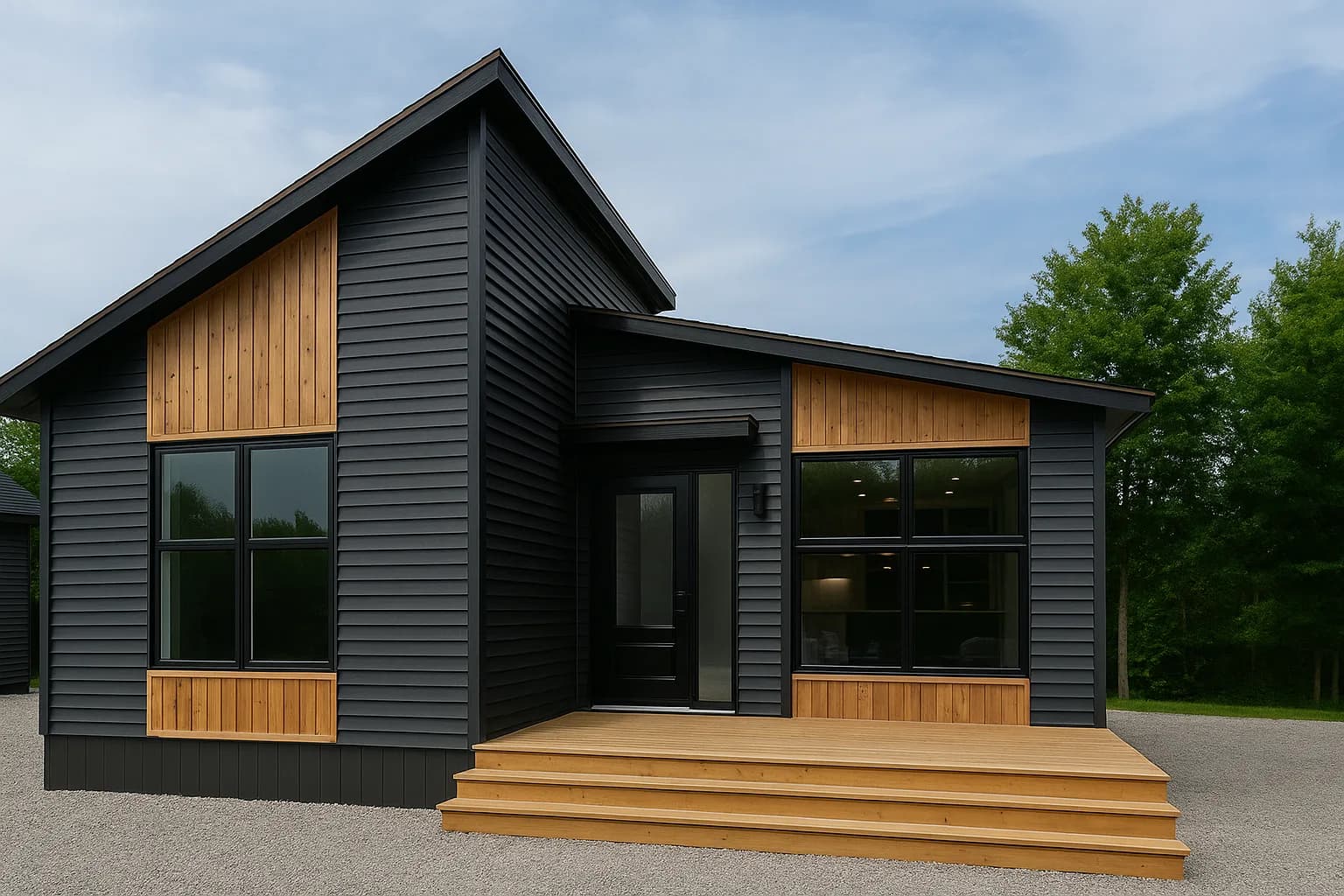
Types of Modular Homes (2026): Prefab Styles, Specs & Cost
Explore the different types of modular homes: wood frame, volumetric block, container, and hybrid prefab houses. Compare costs per sq ft, materials, and lifespans.
Types of Modular Homes: Complete Guide to Prefab Living & Costs (2026)
Modular housing has transformed from temporary budget shelters into cutting-edge architectural marvels. Engineered in climate-controlled factory settings and transported to the job site for precision craning, the different types of modular homes offer unprecedented build speed, high thermal performance, and strict quality control.
Whether you are evaluating a compact guest dwelling or an expansive multi-story family residence, understanding the distinct types of modular homes—their structural frameworks, building materials, and realistic cost benchmarks—is essential before choosing a manufacturer.
What Is a Modular Home
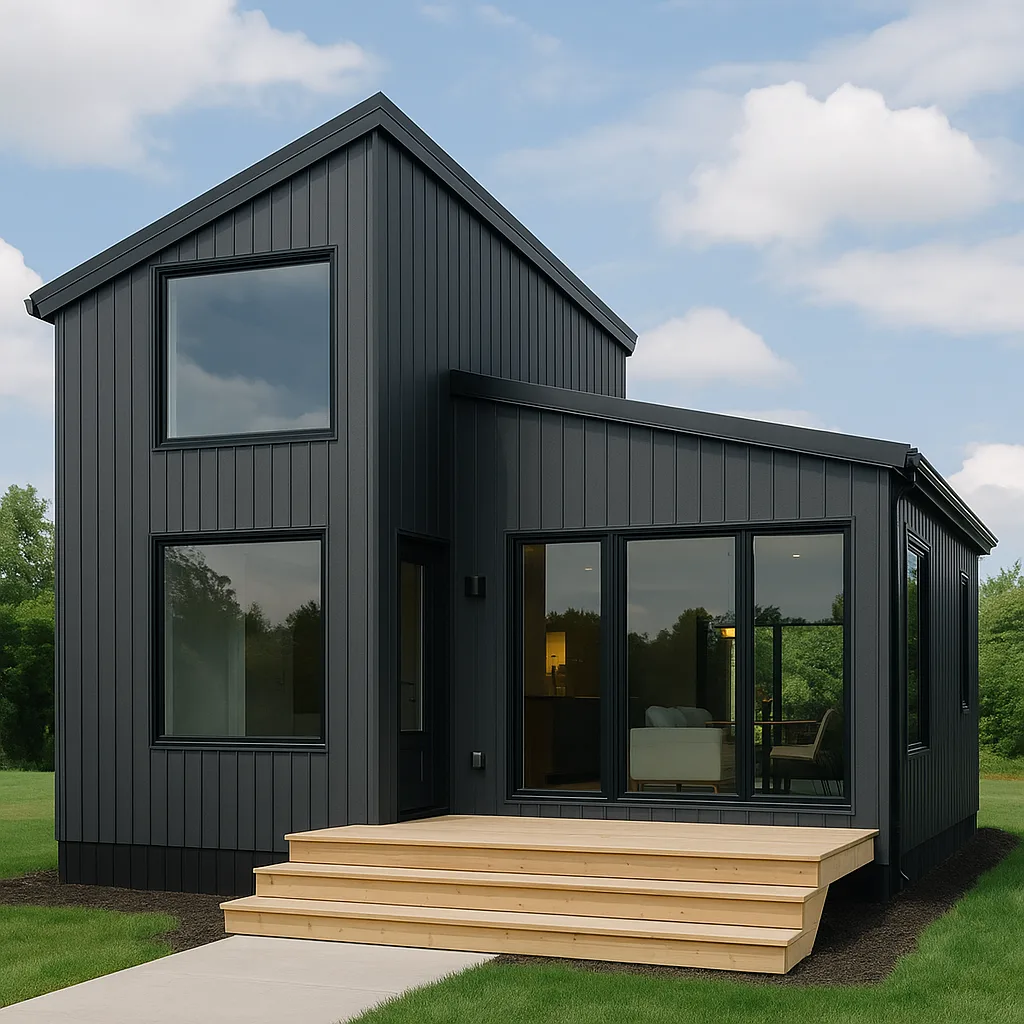
A modular home is a prefabricated building assembled from factory-made blocks (modules).
Each module is produced with interior finishing, utilities, and layout in place —
reducing construction time and ensuring consistent quality in any season.
Main Construction Types
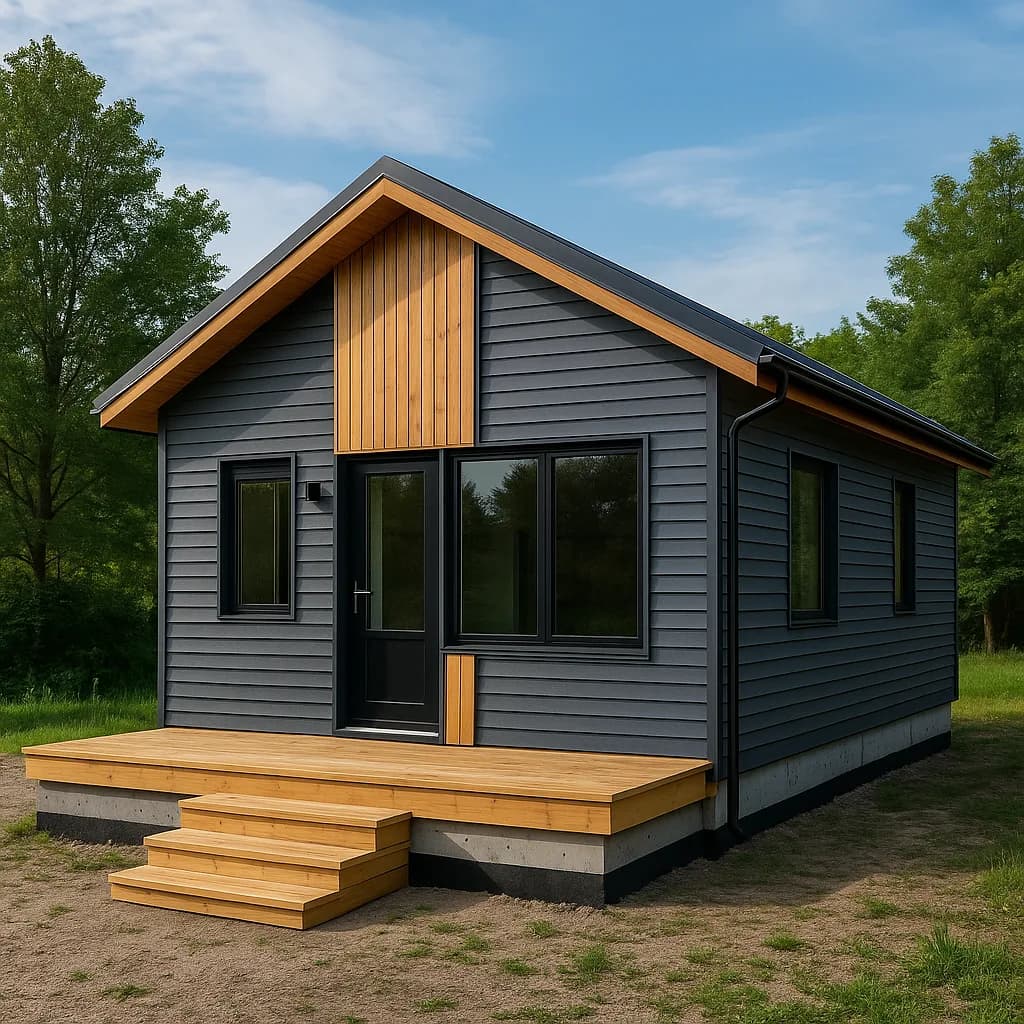
Frame Modular Homes
Built on a wooden or metal frame, insulated and clad with modern materials.
Lightweight, warm, and durable with proper care.
Advantages:
- fast assembly;
- energy efficiency;
- easy maintenance;
- reliable structure.
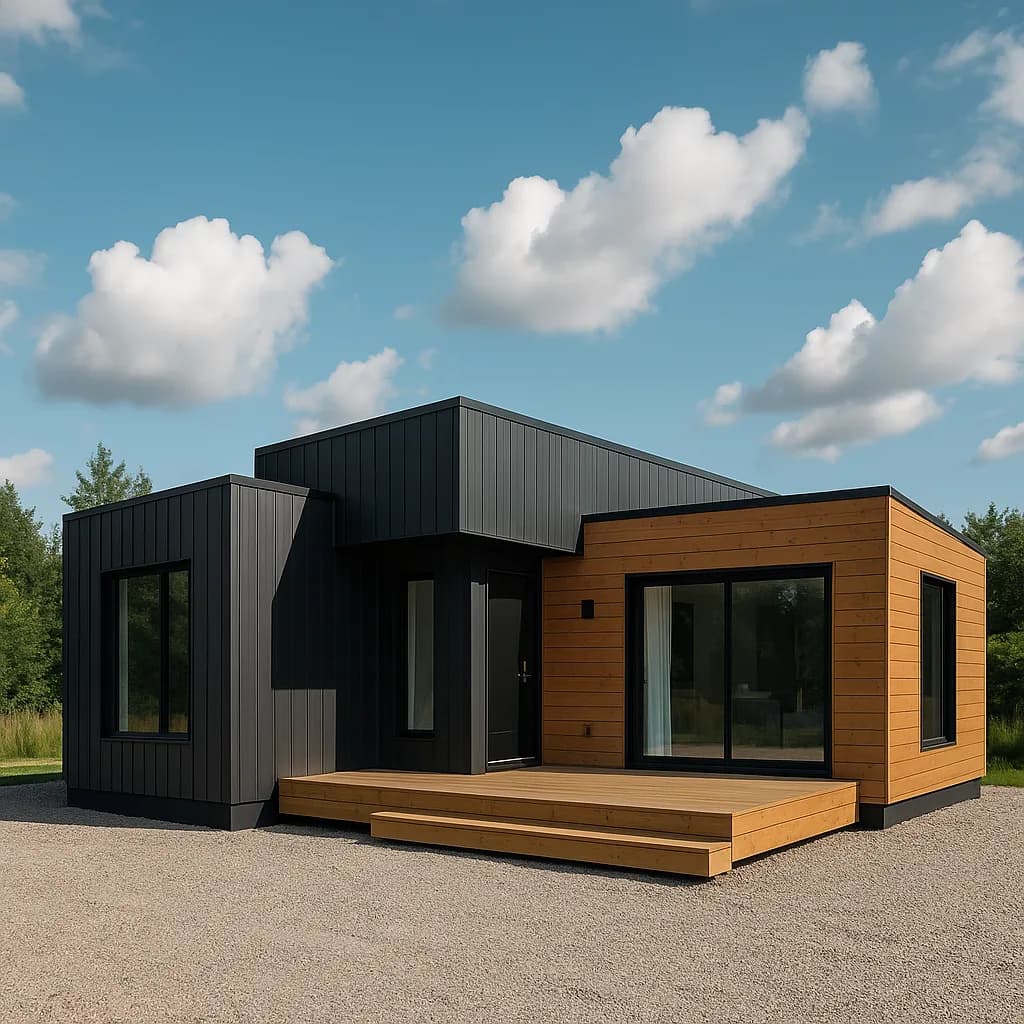
Block-Modular Homes
Each block is fully manufactured at the factory and delivered ready for installation —
complete with windows, doors, and interior finishing.
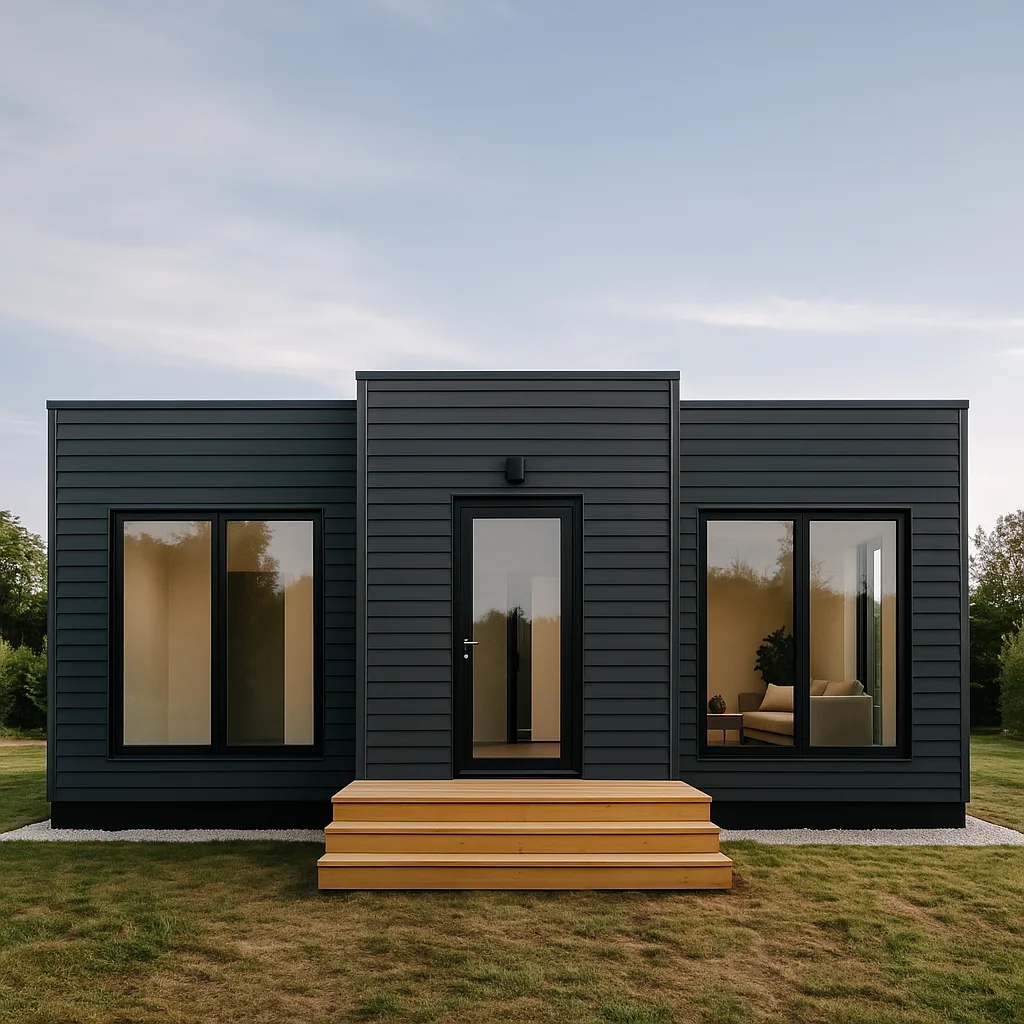
Benefits:
- quick assembly;
- high precision;
- minimal on-site work;
- easy expansion.
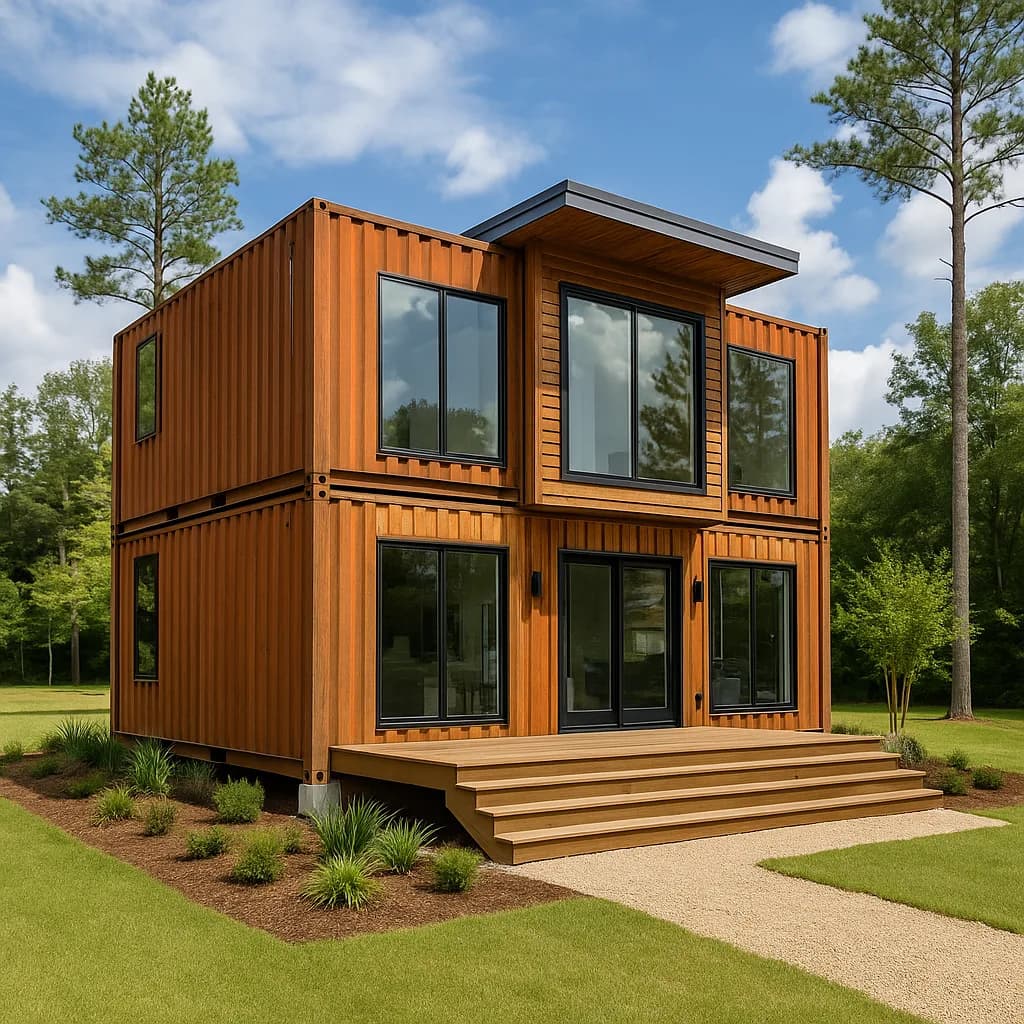
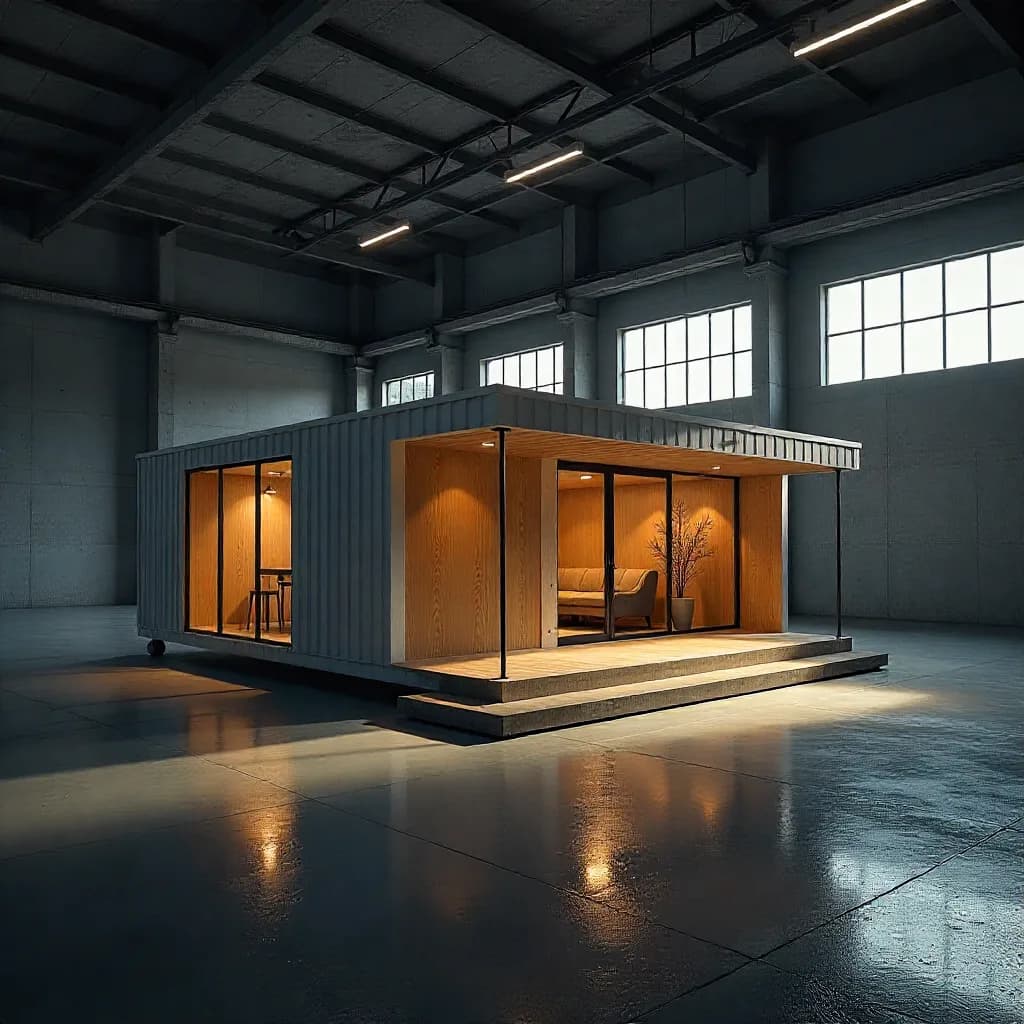
Container Homes
Made from repurposed shipping containers.
Strong, mobile, and industrial in style — often used for offices, cafés, or seasonal housing.
Materials Used
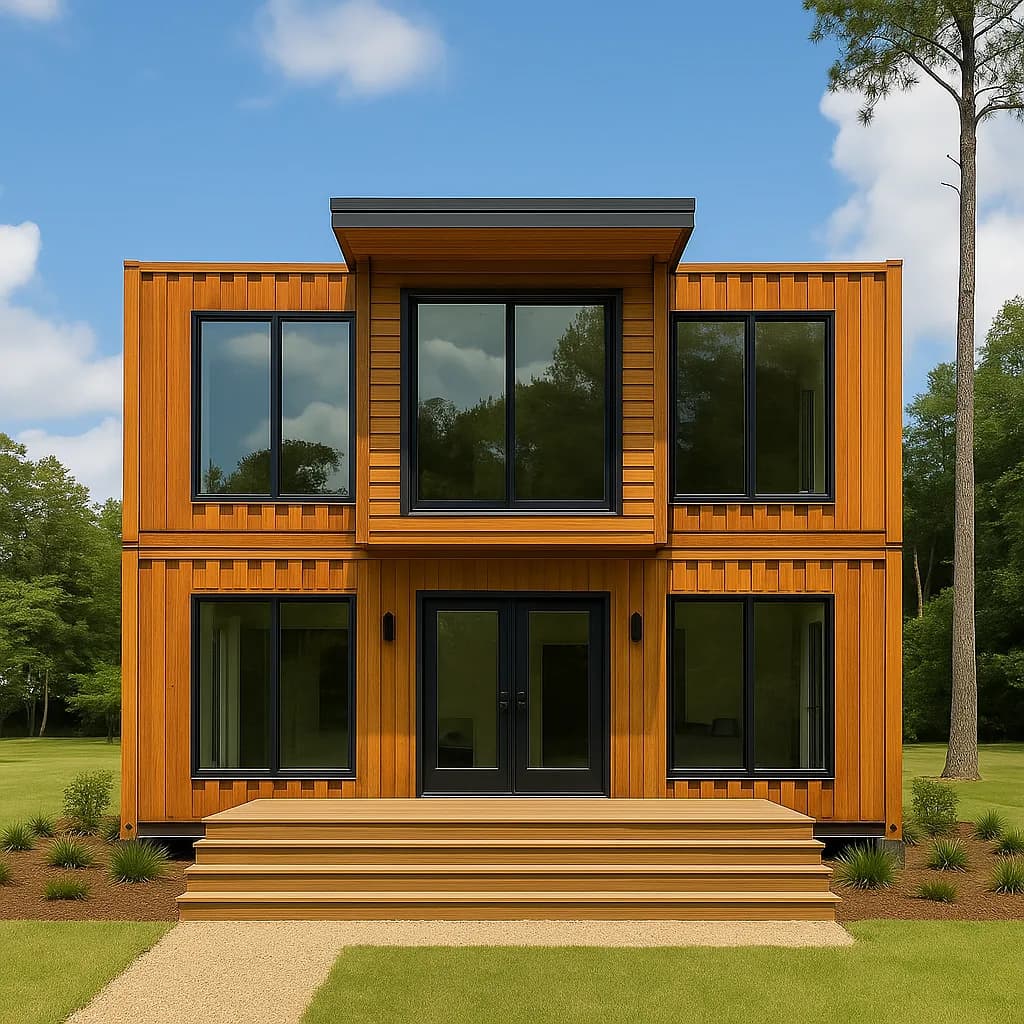
Wood
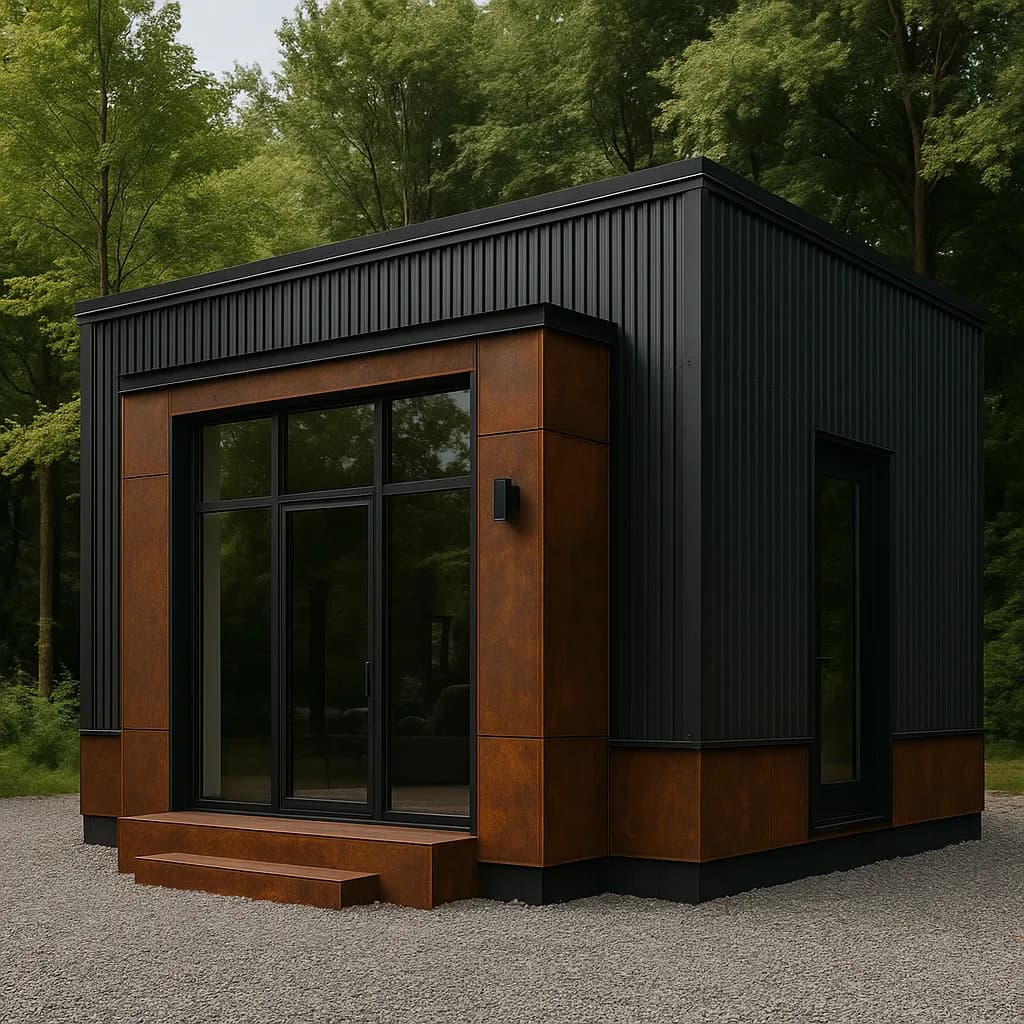
Metal
Requires anti-corrosion coating.
Composites (Sandwich Panels)
Easy to transport, assemble, and maintain.
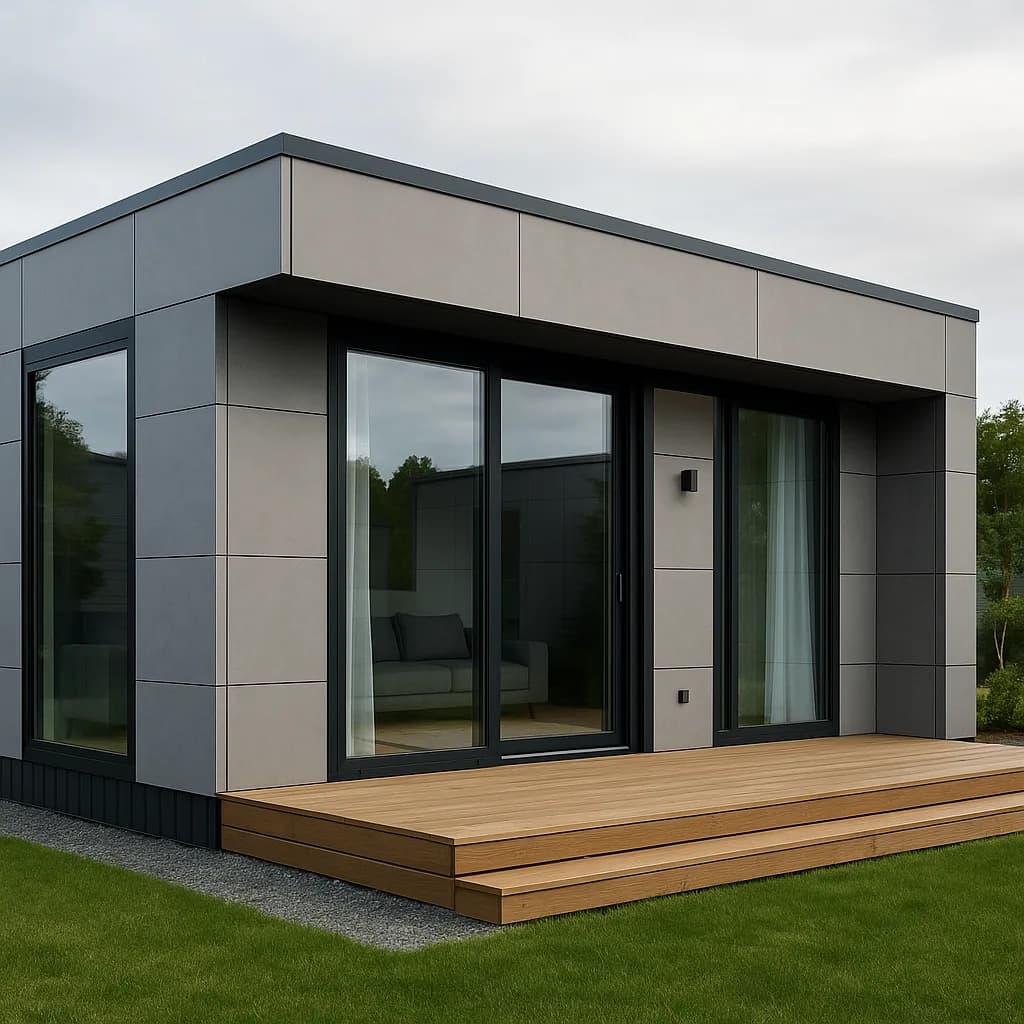
Sizes and Purpose
-
Compact (under 270 sq ft / 25 sq m) — Ideal for accessory dwelling units (ADUs), guest houses, studio backyard offices, or glamping retreats.
-
Medium (320–750 sq ft / 30–70 sq m) — Two-to-three module configurations perfect for couples, small families, or secondary vacation residences.
-
Large (860+ sq ft / 80+ sq m) — Multi-story, multi-module residential layouts designed for full-time family living with complete master suites and open-plan living.
Modular Home Cost Comparison by Construction Type
Pricing varies depending on finish level, foundation type, and crane access:
| Modular Home Type | Average Cost per sq ft | Average Cost per sq m | Best Application |
|---|---|---|---|
| Timber Frame Modular | $120 – $210 / sq ft | €1,200 – €2,100 / sq m | Year-round residential homes, high thermal insulation, traditional neighborhood aesthetics. |
| Volumetric Block-Modular | $150 – $260 / sq ft | €1,500 – €2,600 / sq m | Rapid multi-story construction, turnkey factory plumbing and cabinetry. |
| Shipping Container Home | $95 – $175 / sq ft | €950 – €1,750 / sq m | Modern industrial architecture, sloped or rocky terrain, micro-dwellings. |
| Structural Insulated Panels (SIPs) | $140 – $230 / sq ft | €1,400 – €2,300 / sq m | Extreme cold/hot climates, ultra-low utility heating/cooling costs. |
Frequently Asked Questions (FAQ)
What are the main types of modular homes?
The primary types of modular homes include wood-frame modulars (built like traditional homes in factory sections), volumetric block homes (fully finished room modules placed by crane), steel shipping container homes, and panelized SIP (Structural Insulated Panel) systems.
Are modular homes cheaper than traditional stick-built homes?
Yes. On average, modular homes are 15% to 25% cheaper than conventional on-site construction. Factory mass purchasing, zero weather-induced construction delays, and minimized labor waste reduce total project overhead while delivering tighter building tolerances.
How long do modern modular homes last?
When placed on a permanent foundation (such as concrete stem walls or a crawl space), modular homes last 50 to 100+ years—identical to site-built houses. They must meet the same local International Residential Code (IRC) or national building standards as traditional stick-built construction.
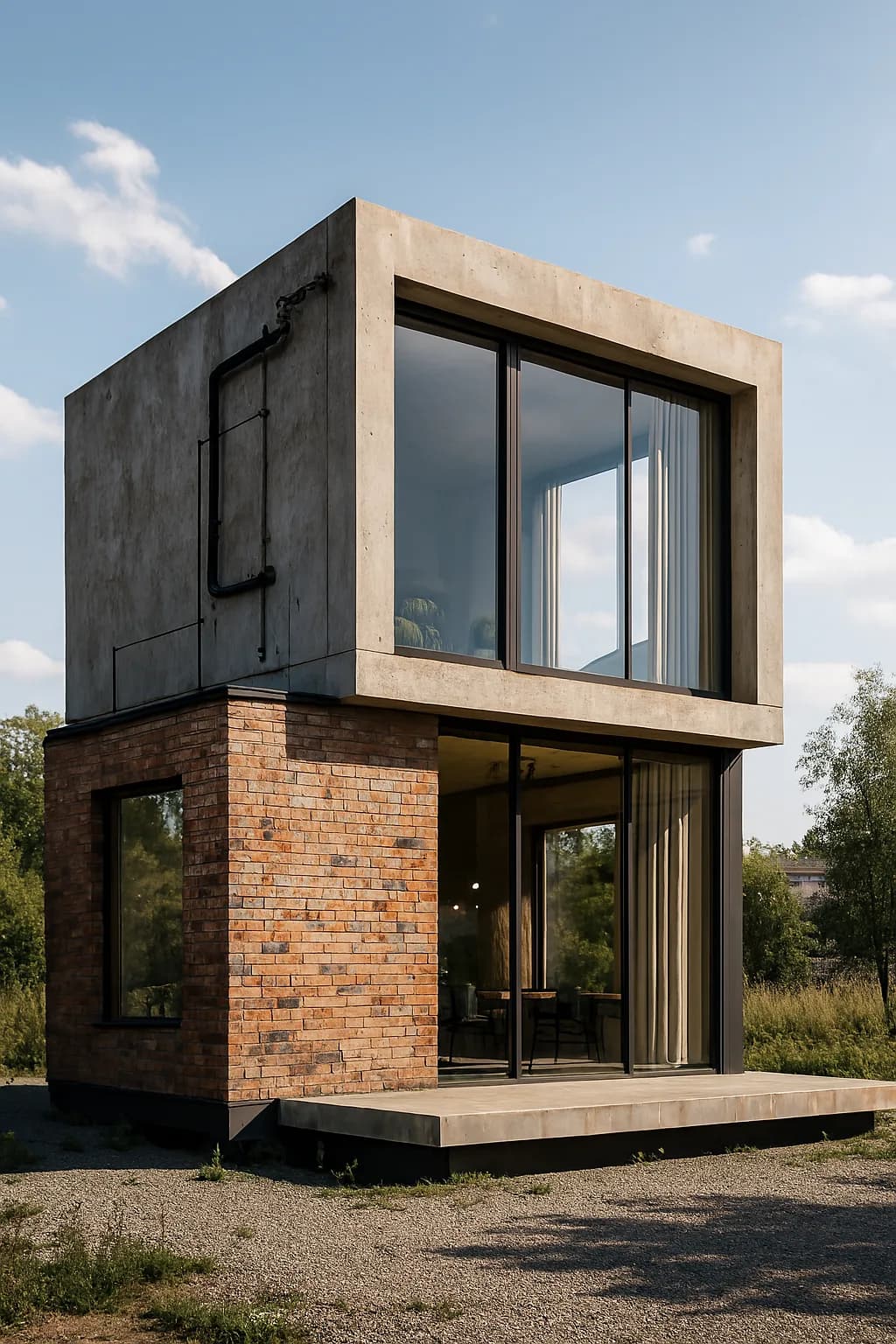
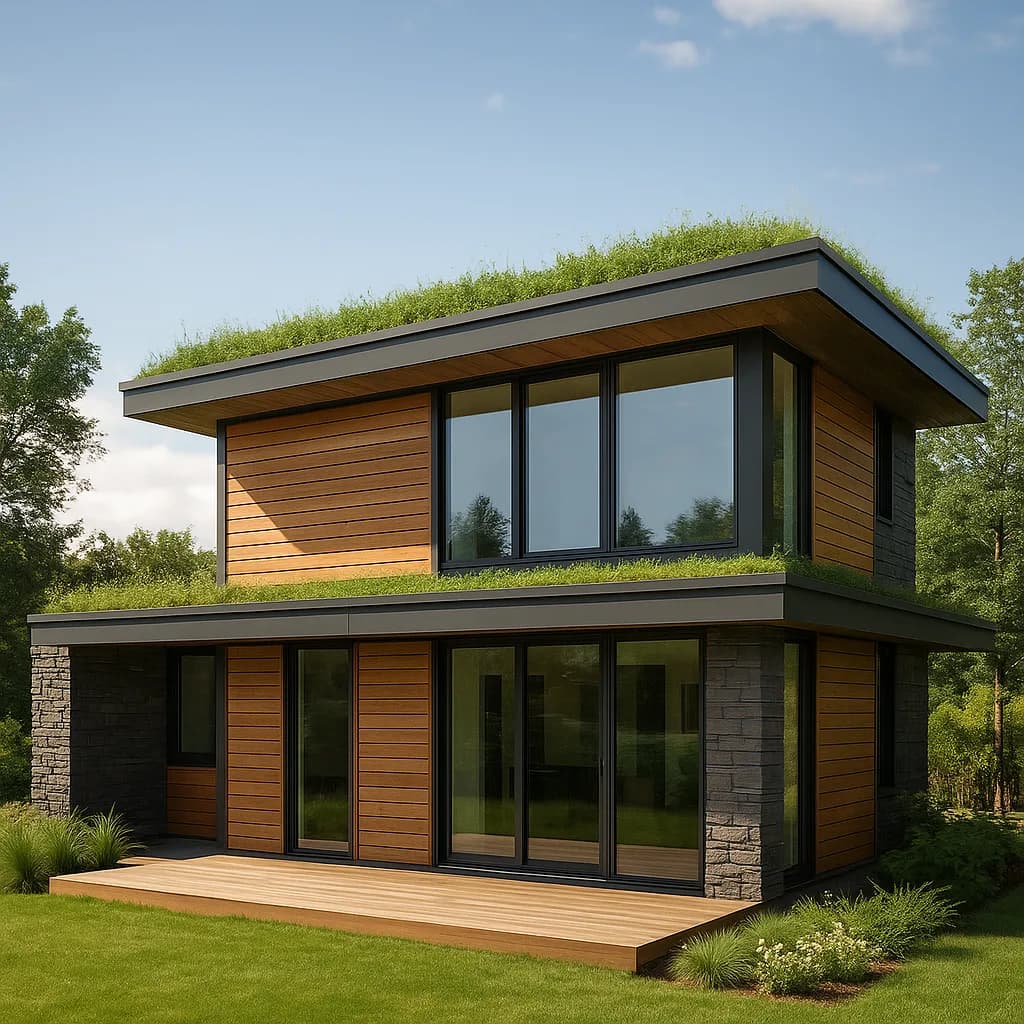
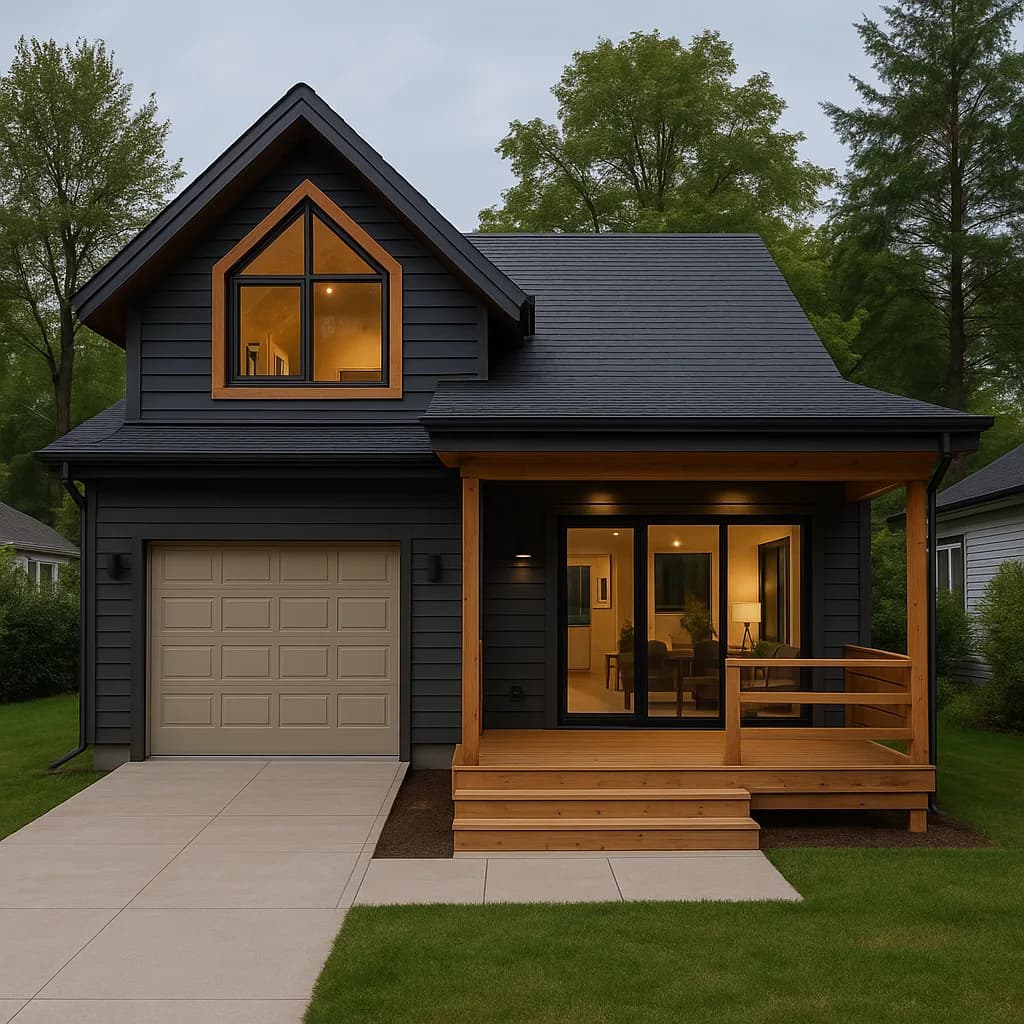
Design Styles
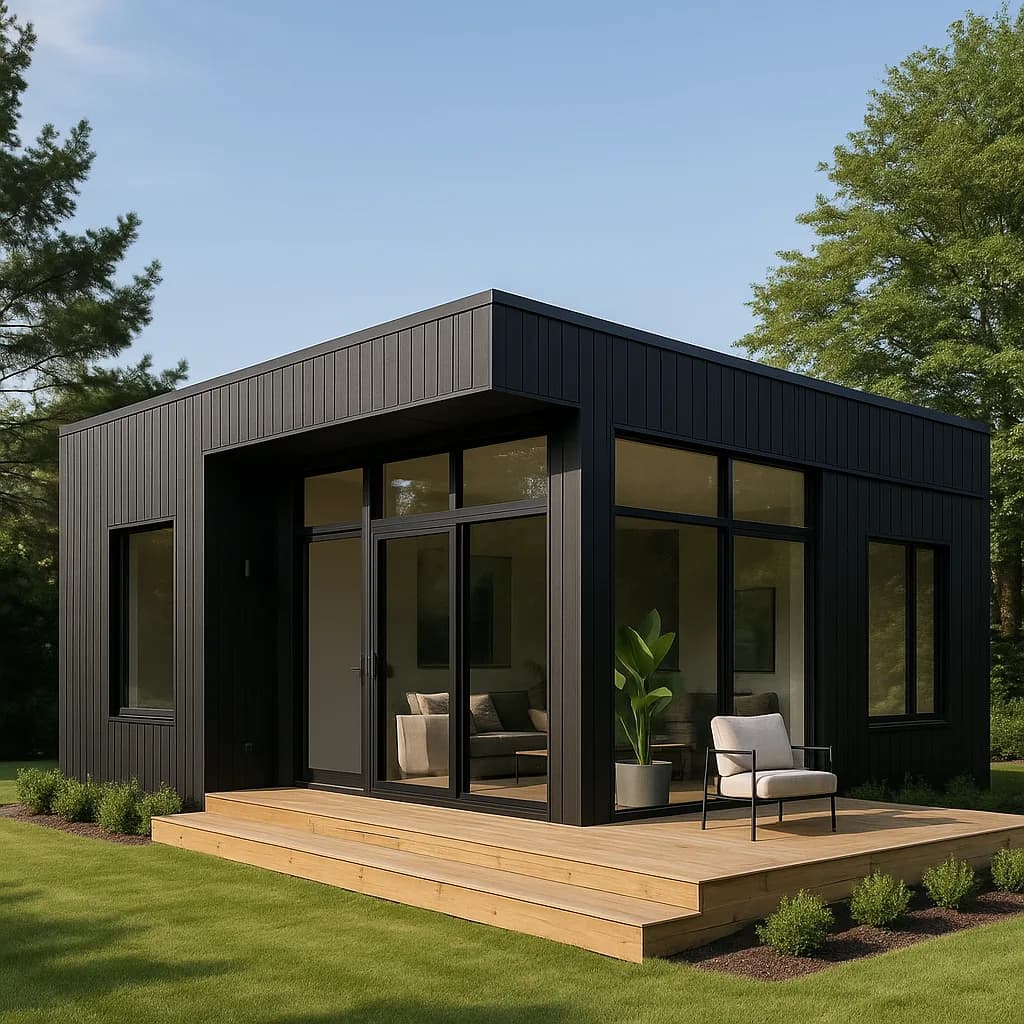
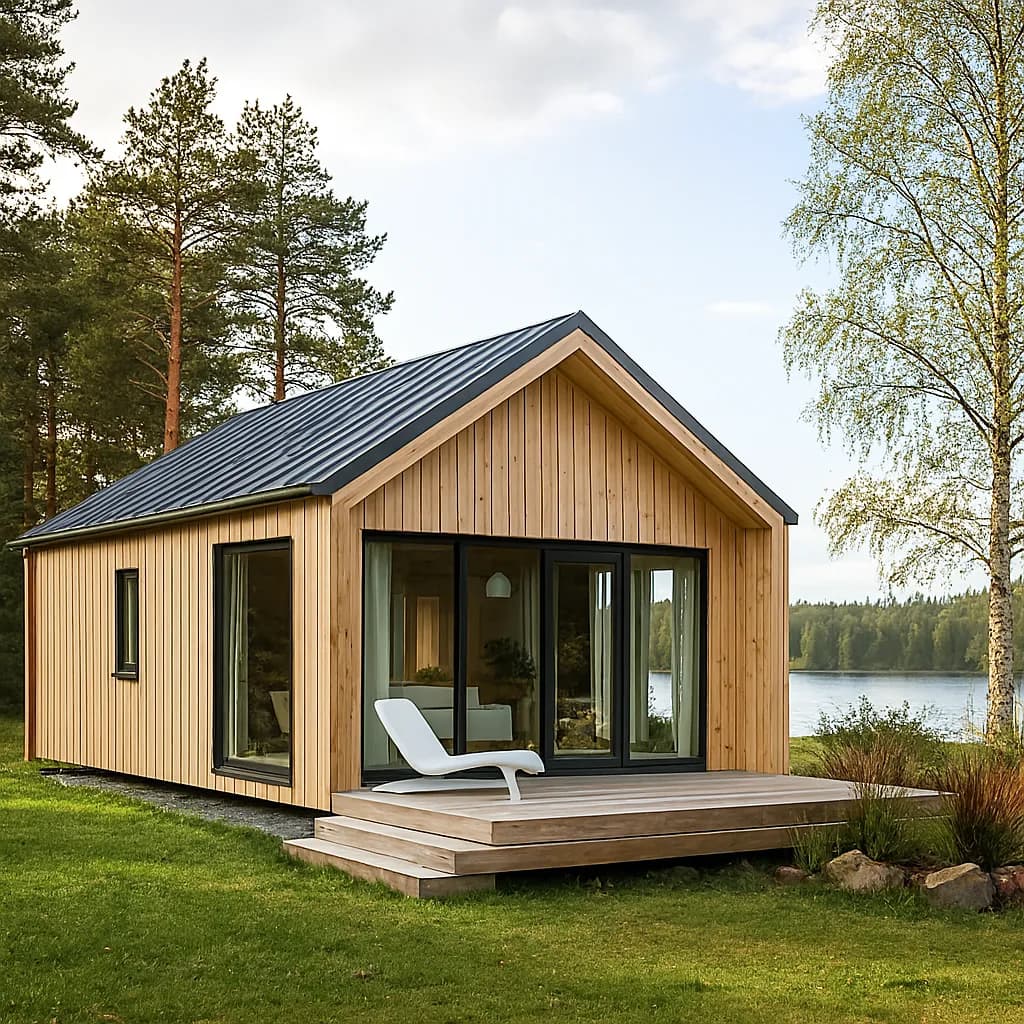
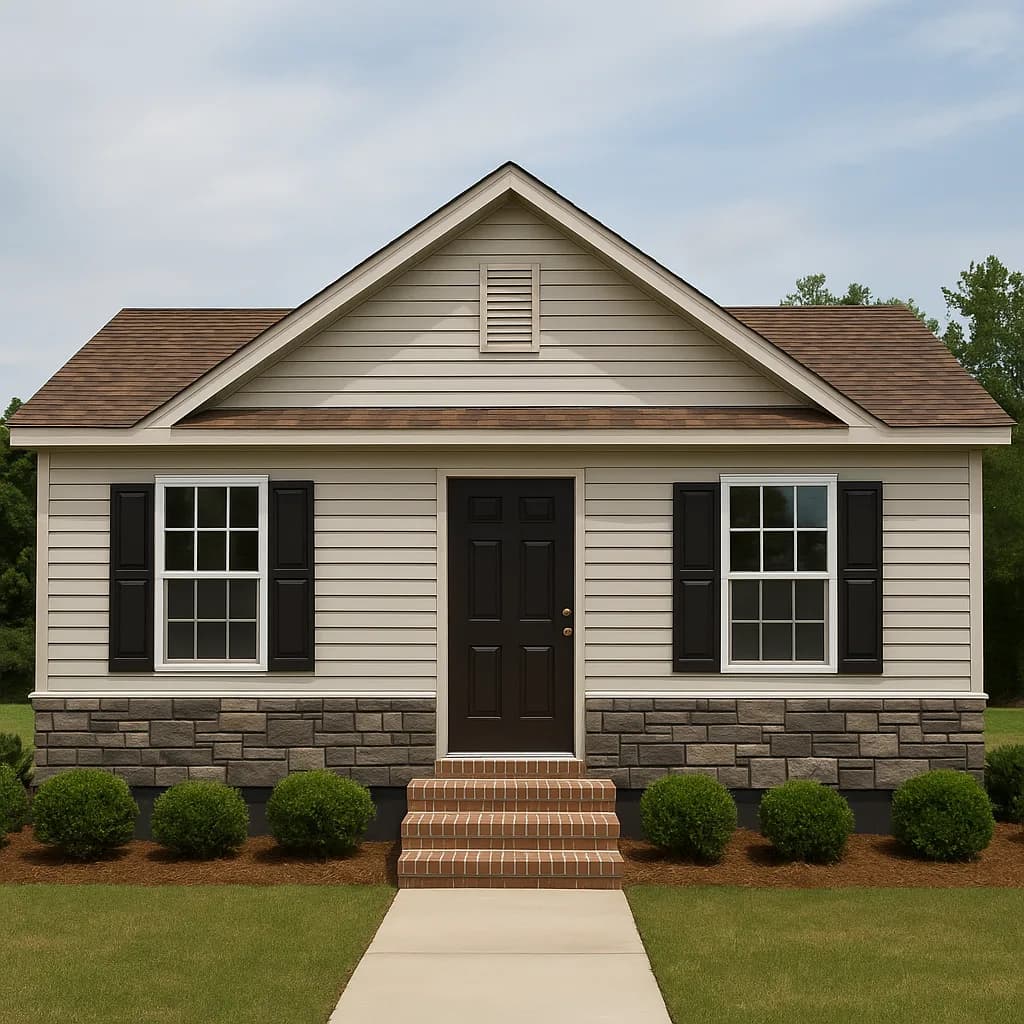
How to Choose a Modular Home
- Define your purpose — permanent or temporary.
- Review the layout and included features.
- Check the builder's portfolio and client feedback.
- Consider transport and foundation requirements.
Summary
Modular homes combine speed, precision, and comfort.
They're a smart alternative to traditional construction —
ready-made, energy-efficient, and adaptable to your lifestyle.
Related Cost & Prefab Planning Guides
- Renovation & Build Budget Planner — estimate finishing, utility hookups, and contingency reserve
- Garage to ADU Conversion 2026 — compare prefab guest units against garage accessory dwelling conversions
- Home Renovation Costs 2026 — realistic per-sq-ft finish pricing benchmarks
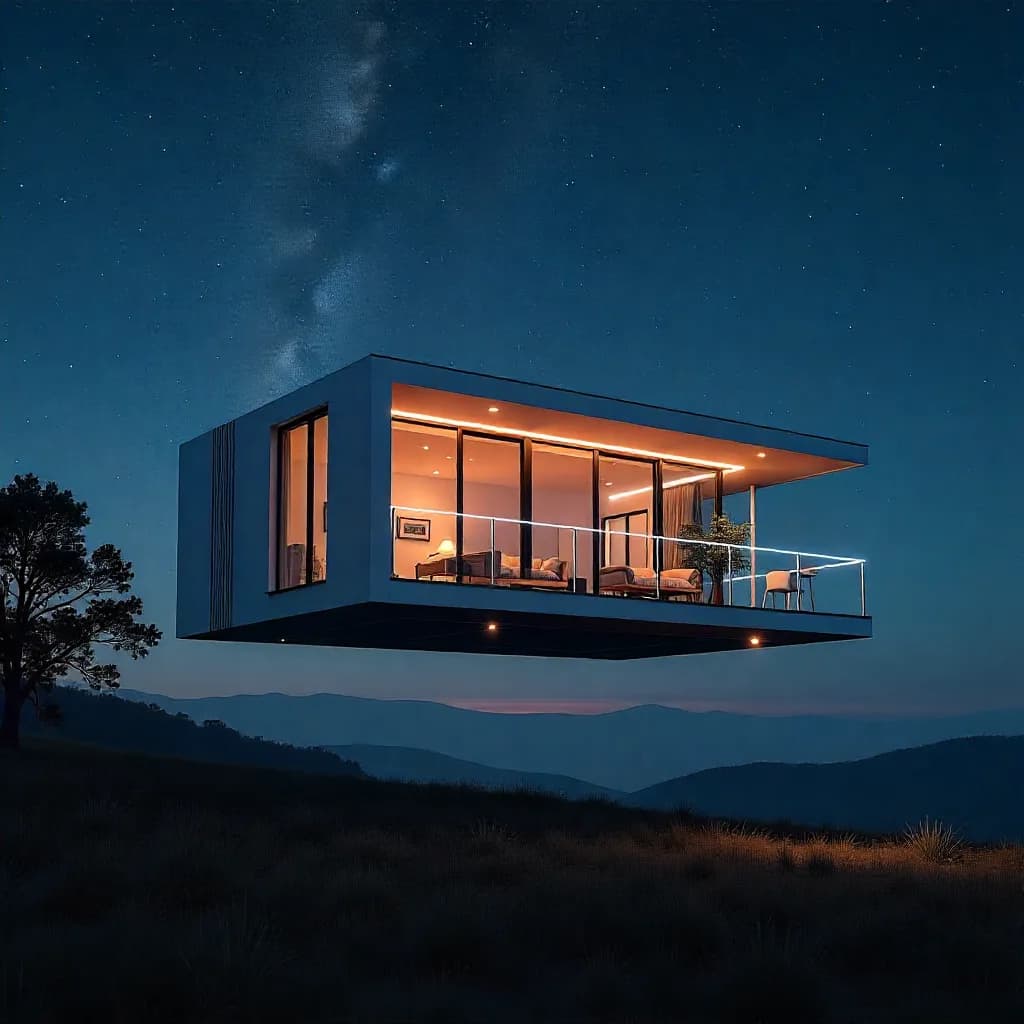
📸 Photos: Renohacks.com collection
🏷️ Tags: modular homes, construction, architecture
Turn the idea into a working budget
Start with the main calculator, then use the two tools that most naturally follow this article.
This piece is structured as a practical sequence of work, material choices, and decisions without extra steps.