How to Save Money on Renovation: 7 Proven Ways
Save on renovation without losing quality: smart planning, clear priorities, vetted contractors and practical ways to avoid overspending from day one.
Smart Renovation: 7 Money-Saving Strategies
TL;DR: Saving money on renovation isn't about cheap materials. It's about smart planning, priorities, and avoiding rework. Below are seven ways that actually work — with real numbers and practical micro-tips.
Renovation almost always costs more than expected. But with smart planning, structured priorities, and a reality-based approach, you can cut costs without lowering quality.
Strategic Planning and Bulk Purchasing
Spontaneous purchases devour budgets. When everything is "urgent", you overpay for delivery, grab random materials, and skip price comparisons.
How to save:
-
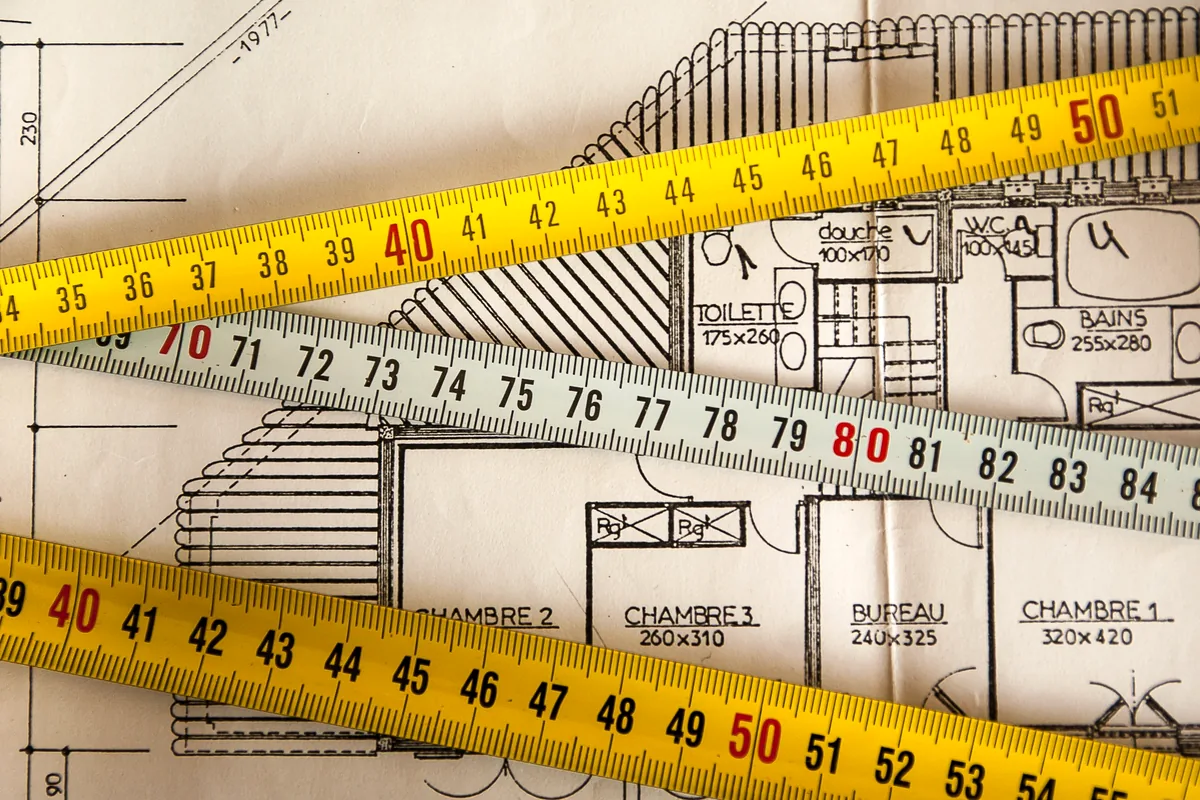
Make a detailed materials list 2–3 weeks in advance.
-
Buy in bulk — discounts often reach 5–15%.
-
Compare prices in 3–5 stores, both offline and online.
-
Schedule delivery early to avoid express fees.
Mini-fact: replacing 4–5 small deliveries with one large one saves $50–500+ (prices are approximate) — small orders cost $50–100+ for delivery, while truck deliveries range $500–2,000 depending on volume and distance (2025).
Smart Budget Allocation: Essential vs Optional
Some stages are "savings traps": trying to cut costs there leads to expensive rework.
Where you shouldn't save:
-
Wall and floor preparation
-
Waterproofing
-
Electrical and plumbing
-
Primer and high-quality paint
Where savings are safe:
-
Decor
-
Lighting
-
Textiles
-
Mid-range furniture
Mini-table:
| Can Save | Can't Save |
|---|---|
| Light fixtures | Electrical & plumbing |
| Textiles | Waterproofing |
| Decor | Wall & floor prep |
| Mid-range furniture | Heavy-load materials |
DIY Approach for Simple Tasks
There are tasks that look complicated but aren't. Paying for them often makes no sense.
DIY-friendly tasks:
-
Painting walls (if surface priming is done by a pro)
-
Demolition
-
Furniture assembly
-
Laminate flooring on a level base
Leave to professionals:
-
Electrical wiring
-
Waterproofing
-
Wall leveling
-
Tiling
Fact: DIY painting saves $2–$6/sq ft ($21–$65/sq m) in labor (approximate, 2025), while materials run $200–$300 for a typical room (paint at $30–$50 per gallon / 3.8 L covers 300–400 sq ft / 28–37 sq m).
Creative Material Sourcing and Reuse
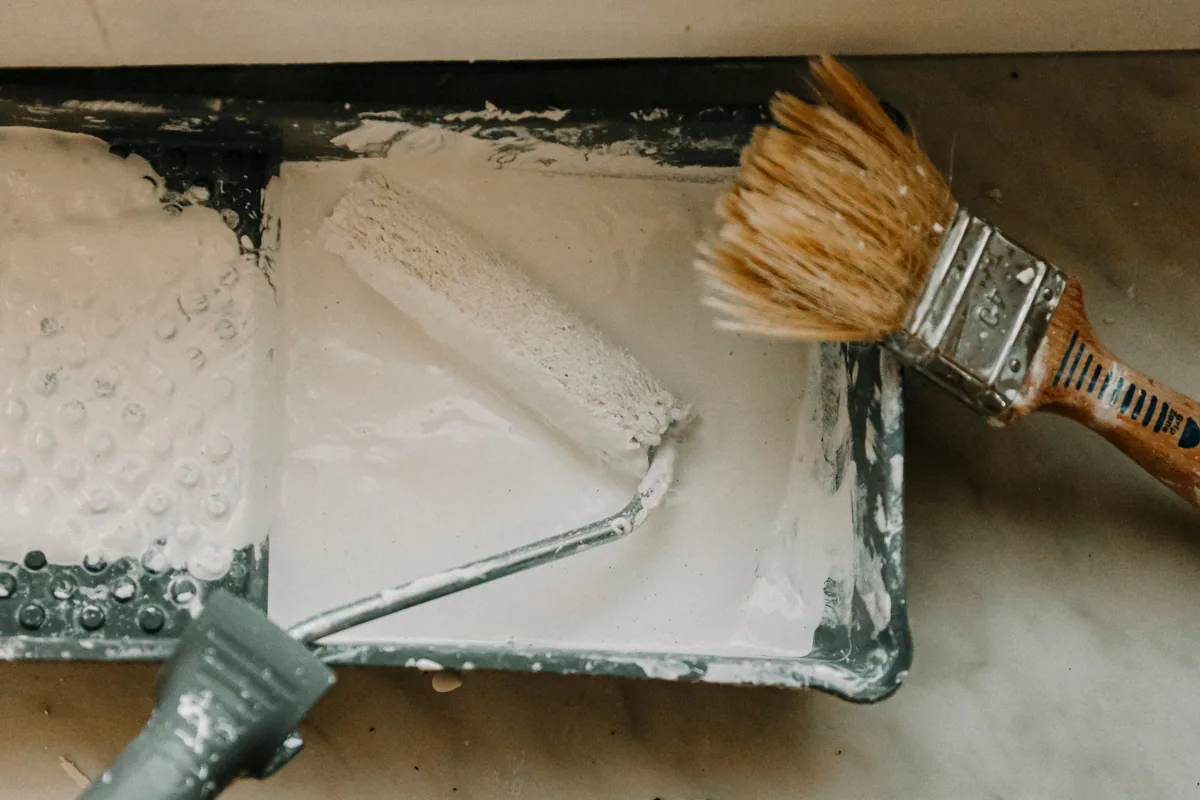
Renovation doesn't always mean "everything new". Updated ≠ worse.
What can be updated:
-
Interior doors (paint + new hardware)
-
Parquet (sanding beats cheap laminate)
-
Furniture (painting, replacing handles, new fronts)
Where to find quality remnants:
-
"Clearance" and discontinued-stock sections (discounts 30–50%)
-
Marketplace listings
-
Local renovation groups
-
Neighbors with leftovers
Common mistake: throwing away reusable items — leads to 40–60% unnecessary overspending.
Timing Your Purchases Strategically
If the renovation isn't urgent, use seasonal patterns and price cycles.
Best times to buy:
-
Late winter (post-holiday discounts)
-
November–December
-
January–February (winter off-season)
-
Black Friday & Cyber Monday
Tip: many stores have hidden "manager discounts". Ask politely — usually 5–10%.
Phased Renovation Approach
Full-apartment renovation = chaos, noise, stress, budget spikes. Staged renovation lowers the risk of rework and improves control.
Benefits:
-
Fewer mistakes
-
Less stress
-
Budget spreads evenly
-
Easier quality control
Best order:
-
Bathroom and kitchen
-
Bedroom
-
Living room
-
Hallway and balcony
Mini-block:
Up to 40% of renovation cost comes from rework caused by incorrect sequencing. A proper plan eliminates most of that waste.
Contractor Selection Without Overpaying
Price ≠ quality. A competent solo contractor often works 20–30% cheaper than a branded company.
How to choose:
-
Recommendations (neighbors, friends)
-
Real work videos
-
Clear contract
-
Stage-by-stage payment
Red flags:
-
100% prepayment
-
Price is "half the market rate"
-
No guarantee
📋 Renovation Savings Checklist
-
Materials list prepared
-
Prices compared in 3–5 shops
-
Clear priorities: what to save on, what not
-
DIY tasks identified
-
Checked reuse options
-
Purchase timed with sale season
-
Staged renovation plan
-
Verified contractor chosen
-
Full estimate created
-
20% reserve added
🔗 Read Next in This Budgeting Cluster
- What Contractors & Designers Won't Tell You: 9 Secrets to Cut Renovation Costs by 40% — insider value-engineering on Level 3/Q2+ walls, partial bathroom tiling, and Bid Room pricing
- How Much Does a Home Renovation Cost in 2026? — room-by-room budget structure and hidden expenses
- Renovation Without Rework in 2026: 12 Decisions That Save Budgets — pre-drywall engineering checks
❓ FAQ
Is it worth buying from independent supply yards or discount outlets?
Yes, but fakes are more common. For beginners, large retailers are safer.
Buy tools or rent?
Rent for one-time tasks, buy for long-term renovation.
How to reduce delivery cost?
One large delivery can save $50–500+ compared to several small ones (prices are approximate) — small order delivery costs $50–100+, while truck deliveries range $500–2,000 depending on volume (2025).
Is winter renovation cheaper?
Yes — contractors usually offer 10–15% discounts.
🏁 Conclusion
Saving on renovation isn't about cutting corners.
It's about thoughtful planning, smart decisions, and preventing rework.
Core principles:
-
Plan early
-
Never save on the basics
-
Do simple tasks yourself
-
Reduce risks and rework
Renovation is an investment in comfort. With the right approach, you can reduce expenses significantly without sacrificing quality.
Turn the idea into a working budget
Start with the main calculator, then move into the related tools and the matching topic hub.
Budget Planner
Build a renovation budget by category, currency, and contingency reserve.
Planning and Budget Hub
Keep budgeting, phasing, savings, and renovation cost control in one focused planning cluster.
Open hubTile Calculator
Estimate wall or floor tile, waste allowance, and adhesive consumption.
Calculate tilePaint Calculator
Estimate paint coverage by room size, openings, and number of coats.
Estimate paint