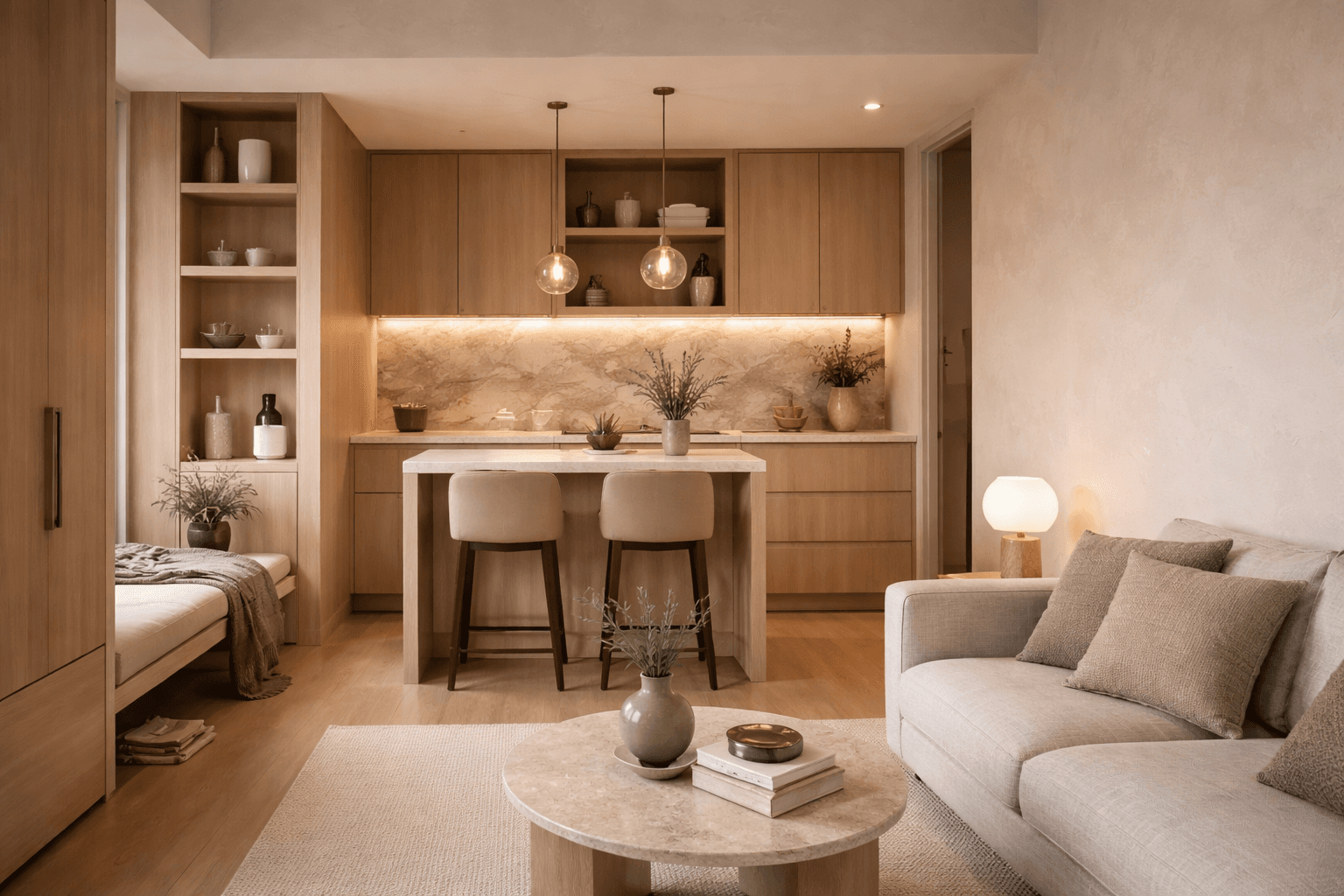
Material Trends 2026: 10 Ideas for a Warmer, Longer-Lasting Interior
The material and surface trends 2026 that are actually worth using: wood, slab backsplashes, low-VOC paint, warm neutrals, textured tile and more honest finishes.
Material and Surface Trends 2026: What Modern Interiors Are Actually Built On
If the last several years were dominated by talk about color palettes and furniture shapes, 2026 is making something else very clear: people are paying much closer attention to materials and surfaces. That is where a room now gets its warmth, depth, longevity and quiet sense of quality.
The strongest material trends of 2026 are not about shiny novelty. They are about a more honest, more tactile and longer-lasting foundation.
1. Wood is back at the center of the conversation
One of the clearest 2026 shifts is the return of wood as a core visual material, not just an accent. Houzz trend coverage has highlighted the continued momentum behind warmer cabinetry and richer wood tones.
The strongest directions include:
- pale oak without yellow undertones;
- medium wood tones;
- walnut;
- clean veneer fronts;
- wood panels and built-ins with quieter grain.
Wood is winning again because it adds warmth without needing visual drama. It also tends to age more gracefully than colder, more synthetic-looking finishes.
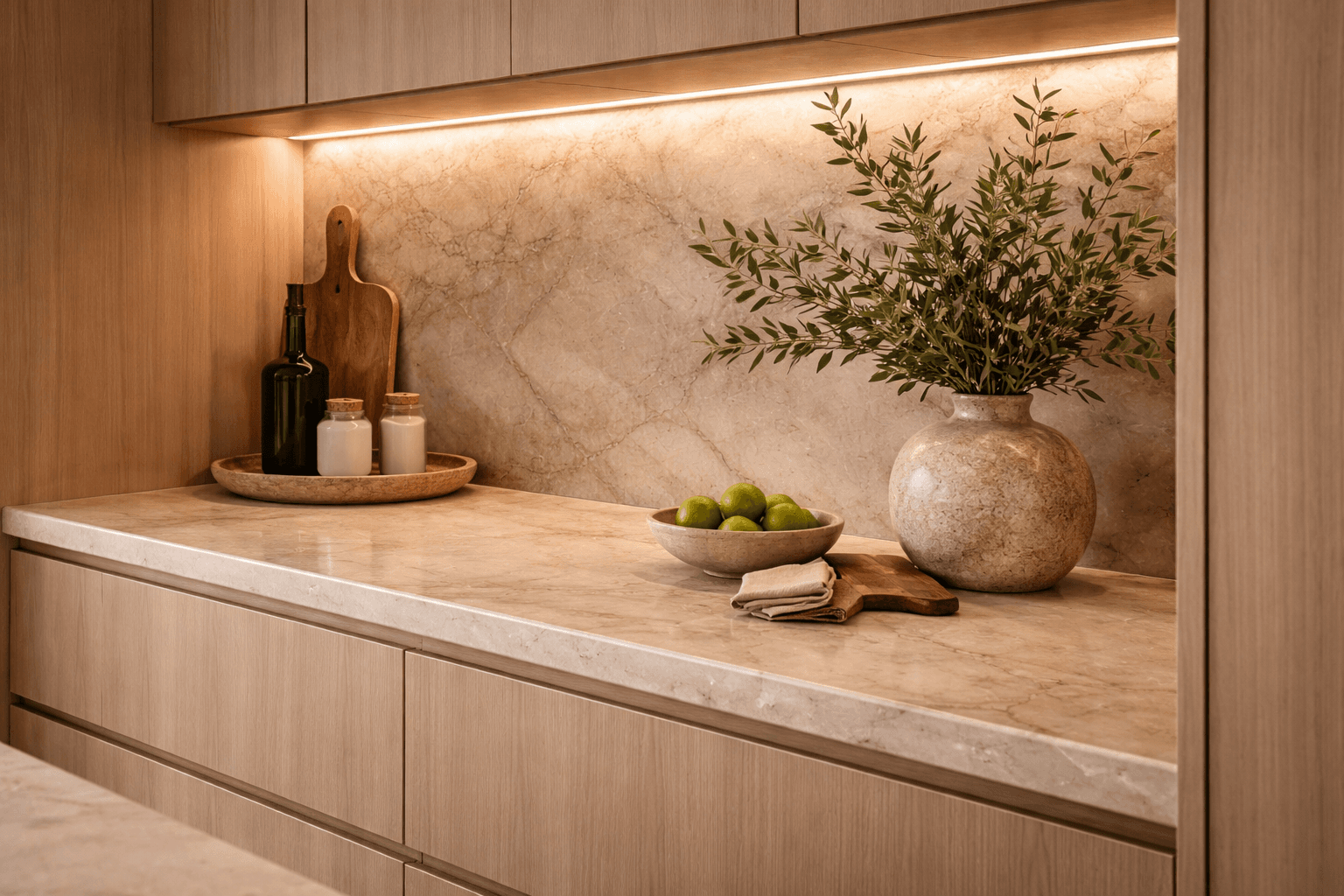
2. Large, uninterrupted surfaces look cleaner than busy ones
Another important trend for 2026 is the move toward calmer, more continuous surface treatments:
- slab backsplashes;
- countertop and backsplash in the same material;
- large-format wall surfaces;
- bigger stone or quartz applications with less visual interruption.
This is especially effective in kitchens, bathrooms and any place where too many seams or small modules make the room feel noisy.
3. Tile is shifting toward texture, color and a more human finish
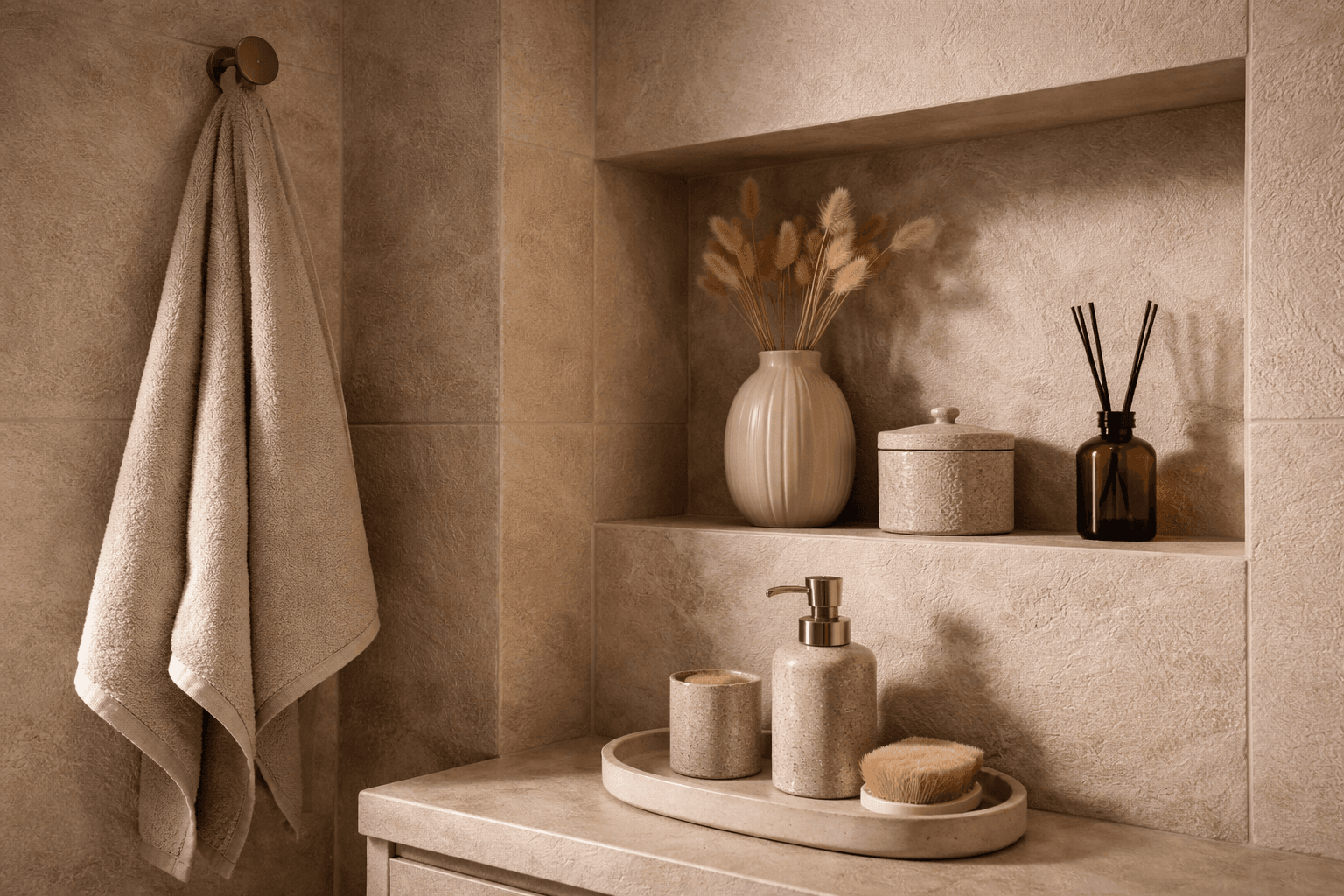
Tile trends in 2026 are moving beyond safe gray and flat white. The strongest new collections lean into:
- warm earthy color;
- more relief and tactility;
- slightly irregular or handmade character;
- softer sheen;
- more expressive but still usable tone.
The best tile now feels more alive and less mass-produced.
4. Warm neutrals are replacing colder default whites and grays
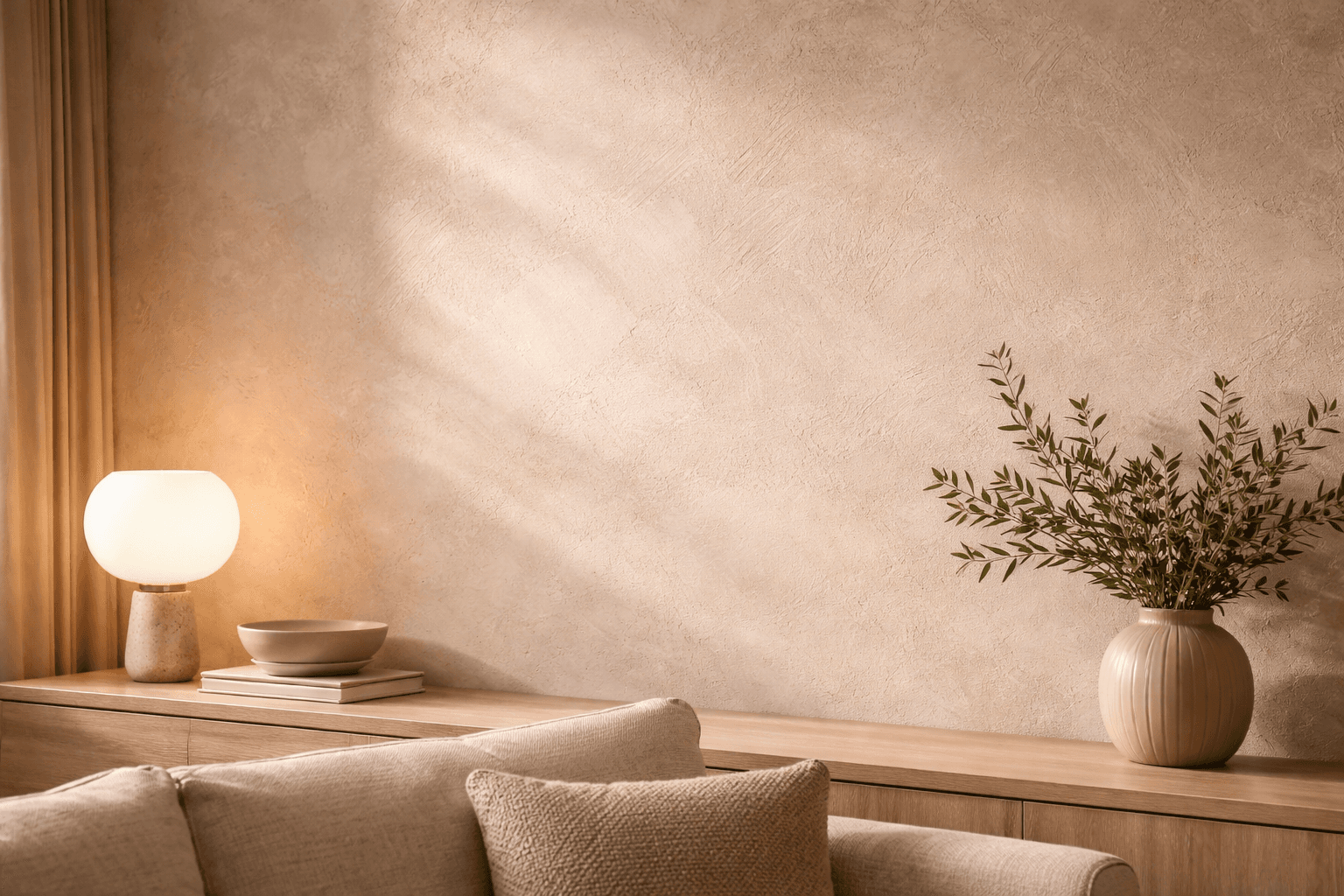
One of the most useful 2026 color signals is the move toward grounding neutrals. Even major paint brands are leaning into calmer, warmer foundations instead of sharp, sterile white.
The palette that works especially well right now includes:
- warm white;
- khaki;
- greige;
- taupe;
- soft stone;
- clay beige;
- muted olive.
These colors support wood, stone and matte finishes far better than colder white-gray formulas.
5. Low-VOC and healthier finishes are becoming a standard expectation
Material quality in 2026 is not only about appearance. It is also about how the home feels after the remodel is done. That is why low-VOC paints and lower-emission finishes matter more now:
- they reduce post-renovation odor and chemical load;
- they are especially useful in bedrooms and nurseries;
- they make more sense in airtight modern homes;
- they support the broader wellness direction in residential design.
For many homeowners, "good material" now means both visual quality and better everyday comfort.
6. Honest texture beats cheap imitation
One of the clearest anti-trends of 2026 is the overuse of materials that pretend to be something else and fail under real scrutiny:
- plastic made to look like wood;
- fake stone with repetitive patterns;
- glossy surfaces used only to feel upscale;
- flat imitations of richer natural texture.
The stronger alternative is honest material logic:
- real or engineered wood where it makes sense;
- quiet quartz or stone;
- tile with believable tone and texture;
- mineral plaster;
- composites that do not rely on obvious visual tricks.
7. Matte and satin finishes look more current than high gloss
Across categories, 2026 is clearly favoring softer reflectivity:
- matte cabinetry;
- satin tile;
- lower-sheen wall finishes;
- brushed and satin metals;
- stone with a more natural finish.
This makes interiors feel more grounded and often more expensive because the surfaces do not fight the light.
8. Reclaimed and recycled materials feel more mature now
Reclaimed and recycled materials are no longer reading as niche or overly rustic. When used well in 2026, they can add depth, story and substance:
- reclaimed wood;
- recycled composites;
- lower-impact panel products;
- reused material elements with a cleaner modern context.
The key is pairing them with a controlled palette and a clear architectural structure. That keeps the result from feeling theatrical.
9. Fewer materials usually create a stronger interior
One of the most practical lessons of 2026 is that rooms are often better when they use fewer material ideas, not more.
A strong formula looks like this:
- one main cabinet or built-in material;
- one main stone or quartz surface;
- one tile family or textured accent finish;
- one metal finish;
- one calm wall color.
That almost always works better than trying to combine too many stones, too many woods and several unrelated feature finishes.
10. The strongest 2026 base is warm, tactile and quiet
If you reduce all of this to one clear direction, the best interiors in 2026 are built on:
- wood;
- warm neutrals;
- larger continuous surfaces;
- tile with texture and depth;
- low-VOC finishes;
- more matte and satin surfaces;
- fewer fake materials and fewer random combinations.
That is the kind of foundation that still feels convincing years later.
What already feels dated
- cold glossy gray with no warmth;
- cheap faux wood or faux stone;
- all-white interiors with no grounding material;
- too many finishes in one room;
- overly decorative backsplashes;
- shine used as a shortcut to "luxury."
FAQ
What materials look most current in 2026 interiors?
Warm wood tones, quiet stone or quartz slabs, textured tile, low-VOC finishes and other tactile materials with honest visual depth.
What is better in 2026: tile or slab surfaces?
Both are relevant. Slabs create a cleaner, more continuous look, while tile works better when you want rhythm, texture or color.
What paint and finish colors look modern right now?
Warm neutrals such as warm white, khaki, greige, taupe, soft stone and muted olive are much stronger than colder default whites and grays.
Are low-VOC materials worth paying more for?
Yes, especially in bedrooms, nurseries and smaller homes where air quality and post-renovation comfort make a bigger difference.
Conclusion
The defining material direction for 2026 is not "more expensive-looking." It is more grounded, more tactile and more honest. The best interiors are the ones with fewer fake effects, better surface combinations and materials that still feel right after the trend cycle moves on.
Convert flooring into pack count
Start with the main calculator, then move into the related tools and the matching topic hub.
Flooring Calculator
Calculate laminate, LVT, or engineered wood by packs, underlayment, and waste.
Kitchen Hub
Keep kitchen articles, tools, and the main layout, finish, and budget decisions in one place.
Open hubPaint Calculator
Estimate paint coverage by room size, openings, and number of coats.
Estimate paintColor Palette Generator
Build a balanced interior color palette before you commit to paint and finishes.
Build a paletteThis piece is grounded in current trends, room-by-room practice, and decisions that translate into real remodel work.