How to Paint Interior Walls and Estimate Paint
Learn how much paint to buy, how to prep and prime interior walls, and how to apply an even coat with a brush and roller.
Patch and clean the walls before you open the paint. Once you're ready to roll, finish one wall at a time. Brush the edges in sections so your roller can blend into the wet paint before it starts to dry.
1. Choose the paint and tools
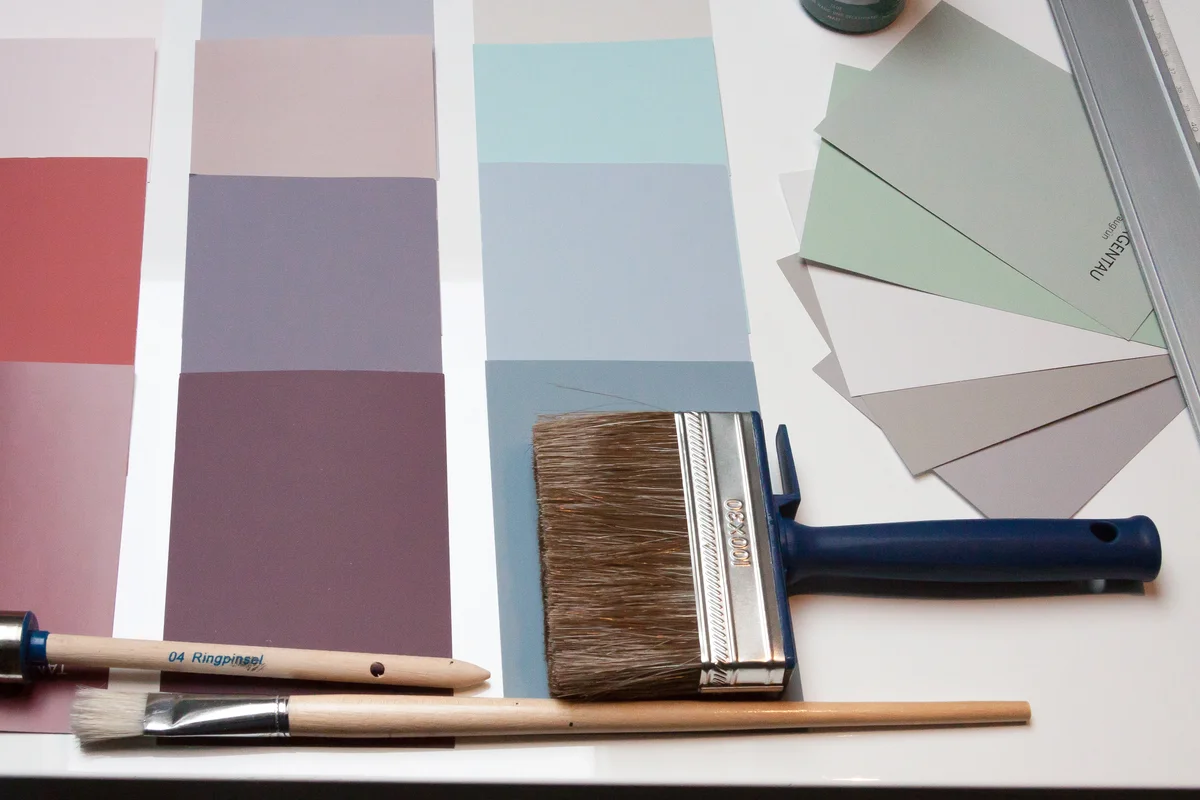
Choose a water-based interior wall paint rated for your surface and room. Flat paint reflects less light and can make shallow imperfections less noticeable. For a hallway or kitchen wall that gets wiped often, check the label for washability. Test a color sample in daylight and with the lights you use at night. Benjamin Moore's guide to painting interior walls
Set out a drop cloth, painter's tape, a roller and tray, and an angled brush for corners and trim. A 3/8 in (about 10 mm) nap is a useful starting point for smooth walls. A 1/2 in (about 13 mm) nap can reach into light texture. Check the paint and roller instructions for your surface. Purdy roller cover guide
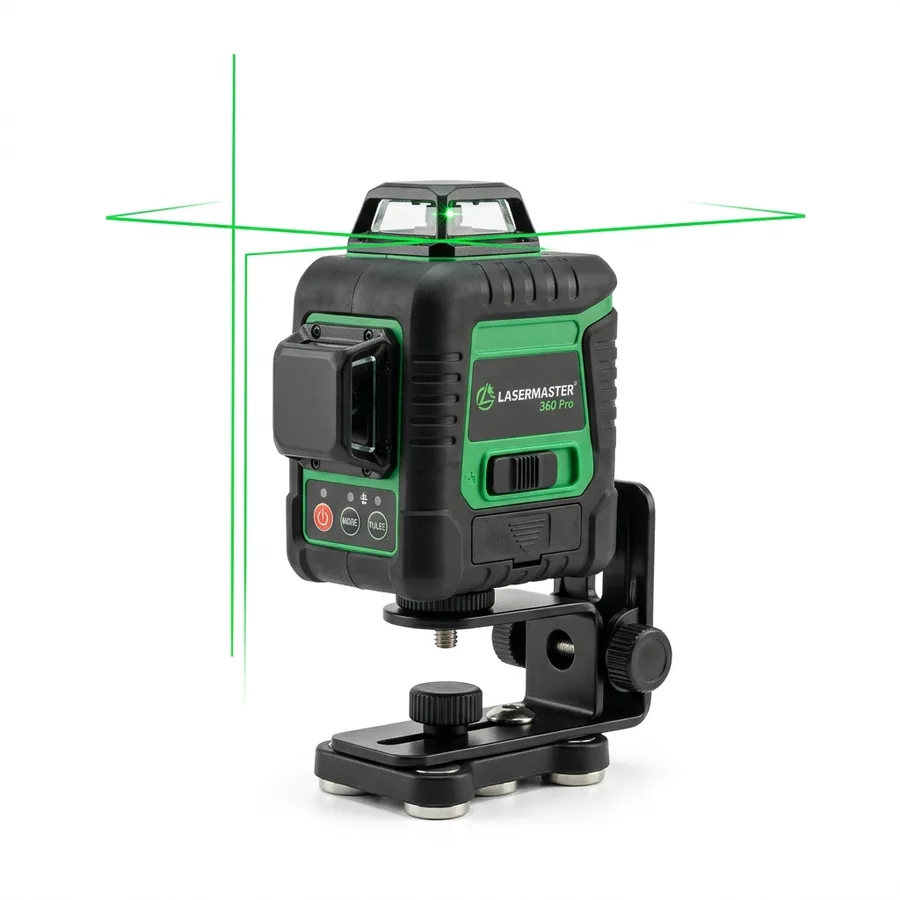
Huepar 360° Self-Leveling Green Laser Level
Use the projected line to mark a straight tape edge when painting a wall in two colors.
View on Amazon2. Prepare the walls
Move furniture, cover the floor, and clean off dust and grease. Where the existing paint can safely be disturbed, fill small holes, let the filler dry, smooth the patches, and remove the dust. If a wall keeps getting damp, fix the source and let the wall dry before painting.
Old paint can release lead dust when scraped or sanded. If you suspect lead, stop before disturbing the coating and consult a qualified professional. In the US, the EPA recommends a lead-safe certified contractor for this work in homes built before 1978. EPA lead-safe renovation guidance
Check whether the paint calls for a separate primer on bare drywall, porous patches, glossy finishes, or stains. Follow the coating manufacturer's preparation instructions. Mask the trim and ventilate the room during application and drying. Benjamin Moore technical data sheet with surface preparation and primer guidance
3. Brush the edges and roll the wall
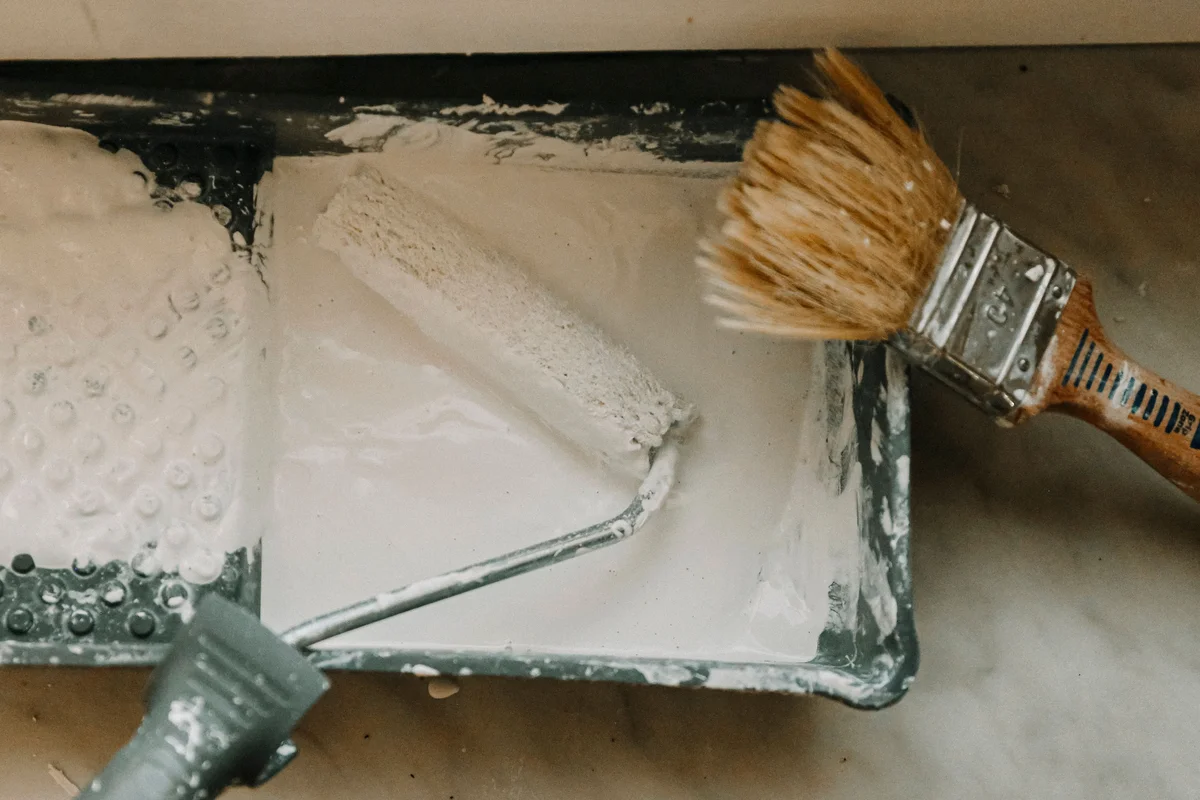
Stir the paint, pour a little into the tray, and thin it only if the label tells you to. Brush a strip along the ceiling, corners, trim, and baseboard. Work on a section you can reach with the roller before the brushed strip starts drying.
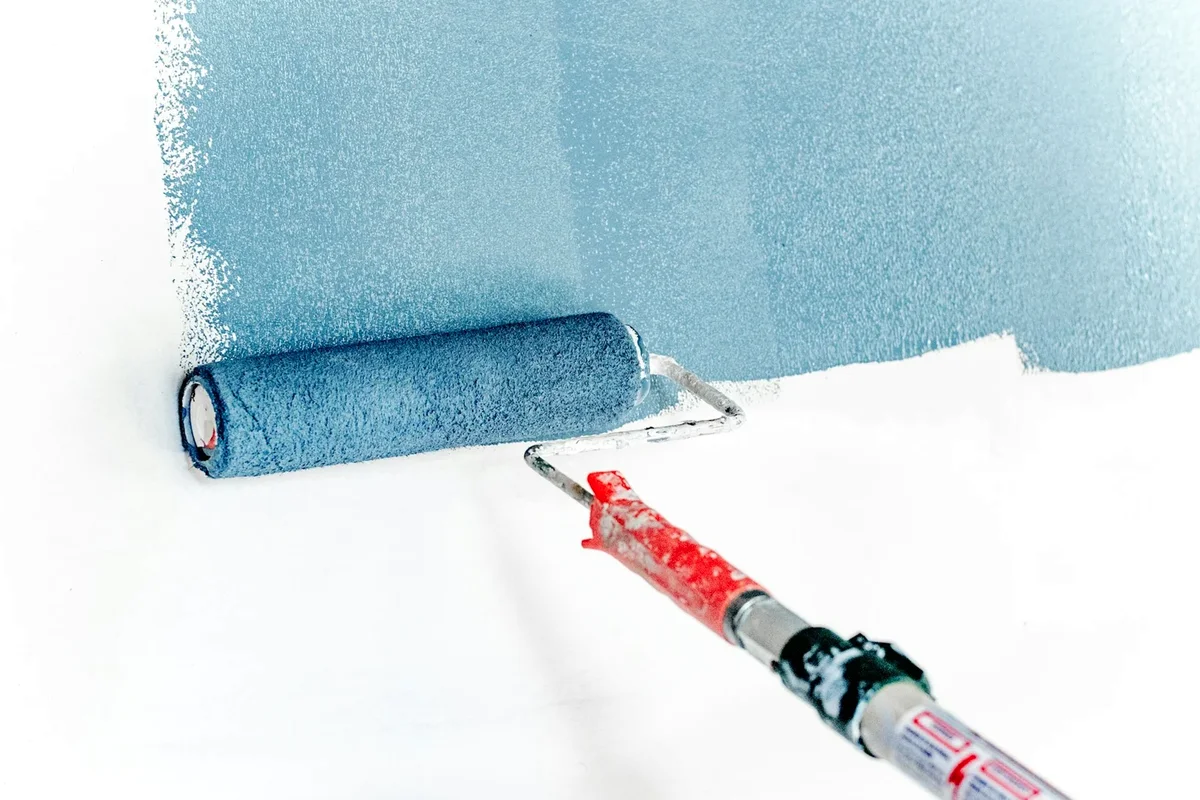
Load the roller evenly and roll off the excess on the ridges of the tray. From an unpainted section, roll back into the previous section while its edge is wet. Finish with light passes in the same direction. If an area has begun to dry, leave it alone and check it after drying. Rolling back into tacky paint can leave a mark. Benjamin Moore's advice on maintaining a wet edge
4. Recoat and clean up
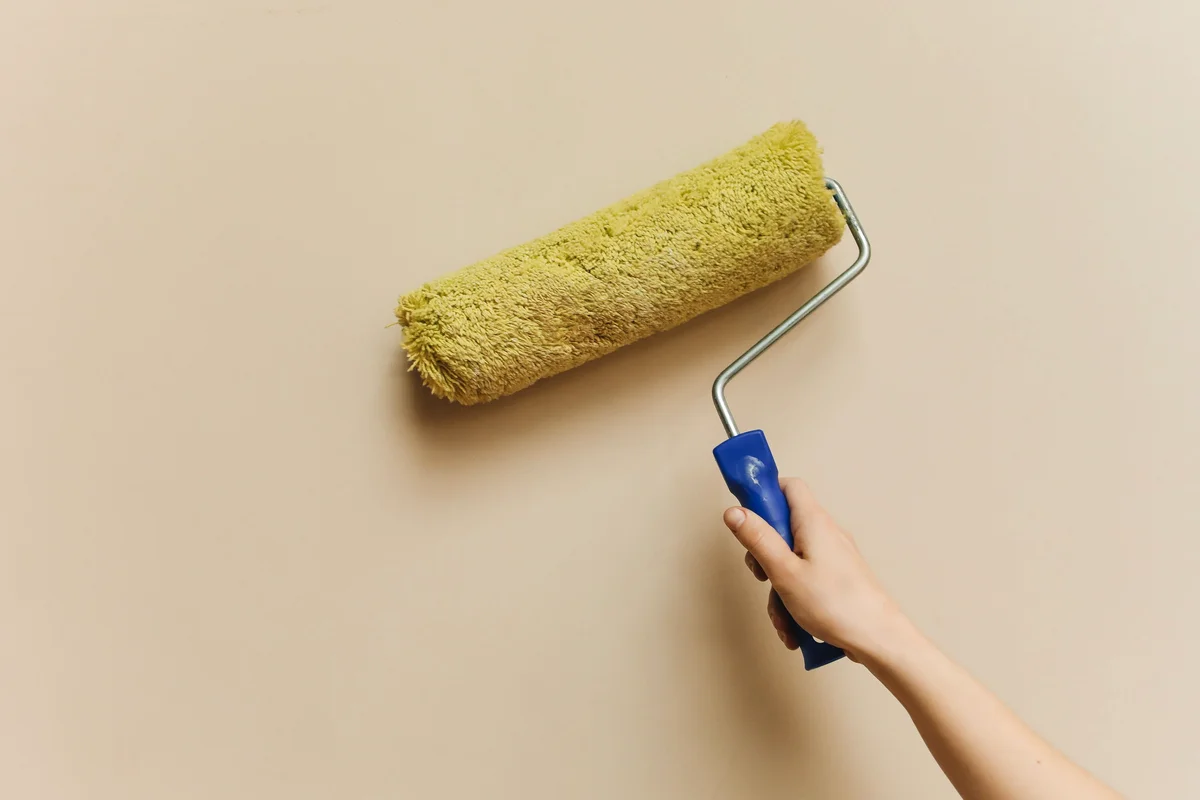
Check the recoat time before applying the next coat. A wall can be dry to the touch and still need more time before recoating. Cooler or more humid conditions can extend the wait. Use the same brush-and-roller sequence for the next coat. Benjamin Moore technical data sheet with separate drying and recoating times
Follow the tape manufacturer's removal instructions. For example, ScotchBlue recommends waiting until the paint is dry to the touch. Clean the tools as directed on the paint label, and keep the color code for touch-ups. ScotchBlue tape removal instructions
Paint Calculator
The calculator below includes the ceiling and estimates openings from the number of doors and windows. For walls only, multiply the room perimeter by the wall height, subtract the actual area of openings you won't paint, and use the coverage on your paint label.
Paint Calculator
Estimate paint for the walls and ceiling. The calculator uses standard door and window sizes.
For a room 13 × 10 ft (about 4.0 × 3.0 m) with an 8 ft (2.44 m) ceiling, the four walls total 368 sq ft (34.19 m²). Subtract a 3 × 7 ft (0.91 × 2.13 m) door and a 4 × 3 ft (1.22 × 0.91 m) window, leaving 335 sq ft (31.12 m²). At 400 sq ft per US gallon (about 9.82 m²/L) per coat, two coats take about 1.68 US gal (6.34 L). With a 10% allowance, plan for 1.84 US gal (6.97 L). Two 1-gallon cans give you 2 US gal (7.57 L). Use the actual coverage and package sizes for the paint you choose. Example of a manufacturer's stated coverage per US gallon
If the label already lists coverage for two coats and you're applying two, divide the wall area by that figure directly. Calculate primer separately from the wall paint using the primer's coverage.
Frequently Asked Questions About Painting Walls
How long should I wait between coats?
Use the recoat time on the label or technical data sheet. Check the separate instructions for washing the wall or applying tape to the new paint.
Do previously painted walls need primer?
It depends on the previous coating's condition and what the new paint requires. Sound, properly prepared paint may only need the new topcoat. Follow the paint manufacturer's instructions for exposed drywall, repairs, hard glossy finishes, and stains.
Why did the paint dry with stripes?
One common cause is rolling over a section that has already started to dry. Another is an unevenly loaded roller. Let the coat dry, then correct the affected wall with even coverage and a wet edge.
How do I compare painting quotes?
Ask each contractor to quote the same scope. Specify the walls and any ceiling or trim you want included, plus the repairs and preparation. Check whether labor, primer, and paint are included and whether any rate applies to painted wall area or covers the whole job.
For help choosing a color, see five tips for choosing interior colors or the guide to living room color schemes. To compare finishes, read the guide to wallpaper types.
Estimate paint before you buy
Start with the main calculator, then move into the related tools and the matching topic hub.
Paint Calculator
Estimate paint coverage by room size, openings, and number of coats.
Walls and Finishes Hub
Keep paint, wall prep, wallpaper, and color decisions together before the finish stage begins.
Open hubColor Palette Generator
Build a balanced interior color palette before you commit to paint and finishes.
Build a paletteBudget Planner
Build a renovation budget by category, currency, and contingency reserve.
Plan the budget