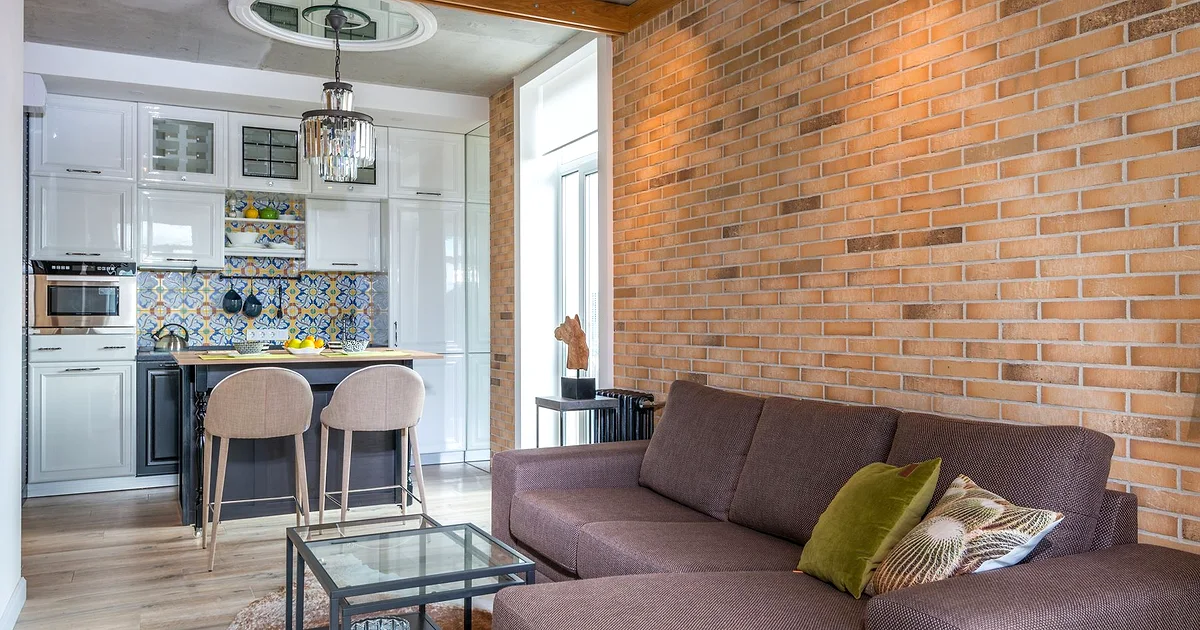
5 Rules for Choosing Interior Paint Colors: Lighting, LRV, Sheen & Sample Boards
Choose interior paint colors without costly repaints: match undertones to window exposure and Kelvin bulb temperatures, check Light Reflectance Value (LRV), pick scrub-rated sheens, and apply the 60–30–10 rule.
Nearly half of residential repaint regrets happen because a tiny 2 × 2 in (50 × 50 mm) paper swatch chosen under 4500K fluorescent hardware-store lights shifts dramatically once rolled onto 400 sq ft (37 sq m) of drywall at home. Window orientation, LED color temperature, floor wood tones, and paint sheen all alter how pigments reflect light.
These five technical rules—used daily by architectural color consultants—take guesswork out of choosing wall, trim, and accent colors.
1. Match Undertones to Window Orientation and Bulb Kelvins
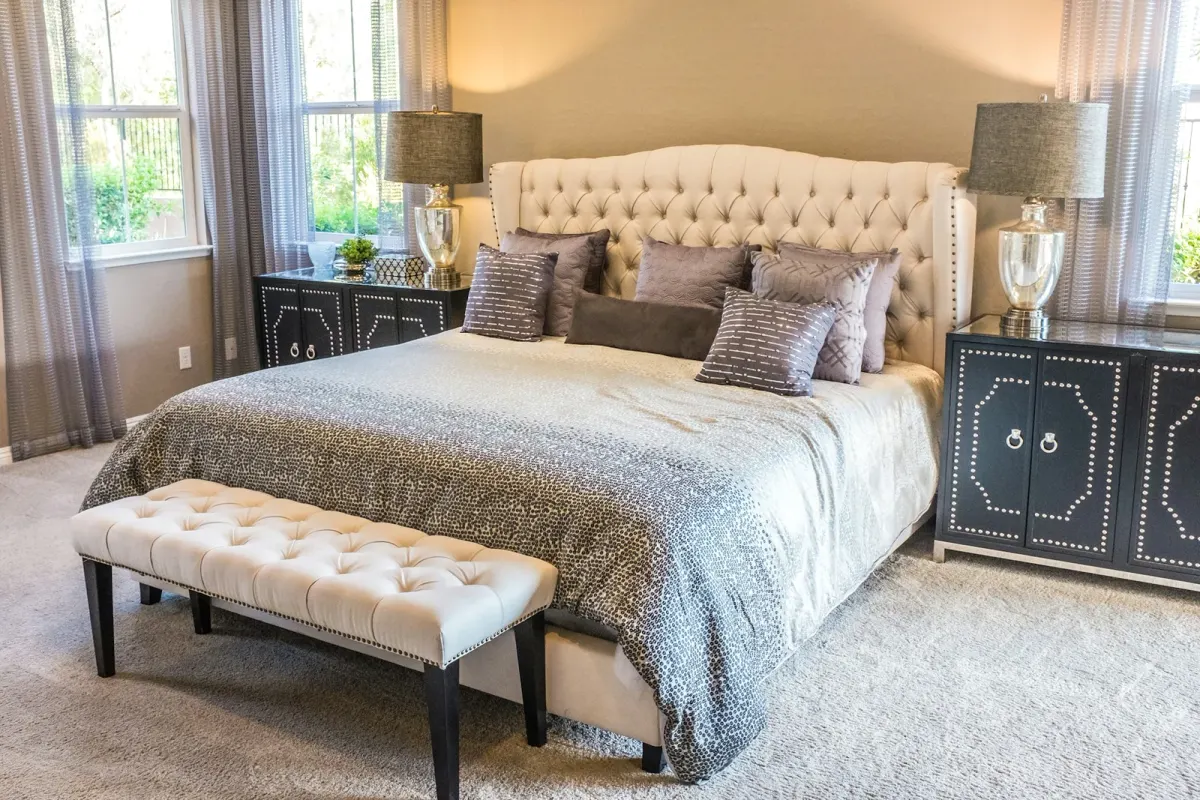
Paint has both a mass tone (what you see at first glance) and a hidden undertone (yellow, red/pink, green, violet, or blue) that emerges under directional light:
| Room Light Condition | How It Shifts Wall Color | Best Undertones to Specify |
|---|---|---|
| North-facing / shaded rooms | Cool bluish skylight drains warmth and turns pure grays muddy orpurple | Creamy off-whites, warm linen, sand, and greige with subtle yellow/red warmth |
| South- & west-facing rooms | Intense afternoon sun amplifies yellow/peach walls into harsh glare | Muted limestone, soft sage, cool putty, balanced neutral whites |
Warm evening LEDs (2700K–3000K) | Enhances wood, clay, and beige; mutes crisp blues into slate | Warm earth neutrals, olive, terracotta, creamy whites |
Neutral task LEDs (3500K–4000K) | Sharpens crisp contrast; exposes green/blue cast in cool grays | Balanced warm whites, pale oak neutrals, muted oatmeal |
Check bulb CRI before blaming the paint: Always install LEDs rated CRI 90+ (R9 > 50 for accurate reds and warm wood tones). Cheap CRI 80 bulbs flatten skin tones and give warm beige paint a sickly greenish cast. Size lumen output and color temperatures in our Lighting Calculator.
2. Use Light Reflectance Value (LRV) to Control Brightness
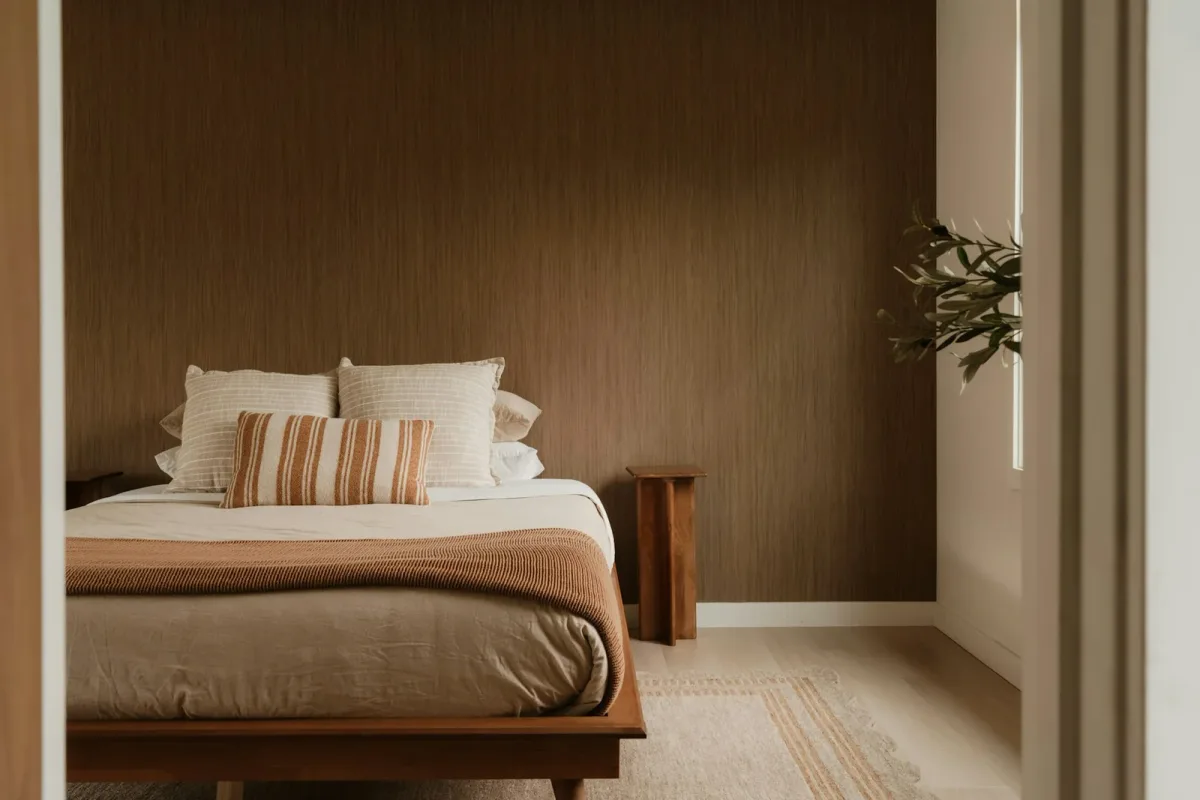
Every major paint fan deck (Sherwin-Williams, Benjamin Moore, Farrow & Ball, Dulux, NCS/RAL) prints an LRV number from 0 (absolute black) to 100 (pure mirror white) on the back of each chip:
- LRV 72–84 (Luminous Soft Whites & Creams): Bounces maximum daylight around windowless hallways, basements, and compact apartments. Pro tip: Avoid stark untinted base white (
LRV 88+) in dim rooms—without abundant sunlight to reflect, ultra-bright white actually reads dingy gray in shadowed corners. - LRV 50–70 (Balanced Mid-Light Neutrals): Warm oatmeal, pale mushroom, soft sage, and limestone—reduces window glare in open-plan living rooms and kitchens while hiding everyday scuffs better than pure white.
- LRV 18–45 (Enveloping Depth Shades): Deep olive, slate blue, warm clay, and espresso—ideal for cozy bedrooms, media rooms, studies, and powder rooms where low evening lighting creates intentional intimacy.
3. Anchor Large Planes in Neutrals and Pick the Right Sheen
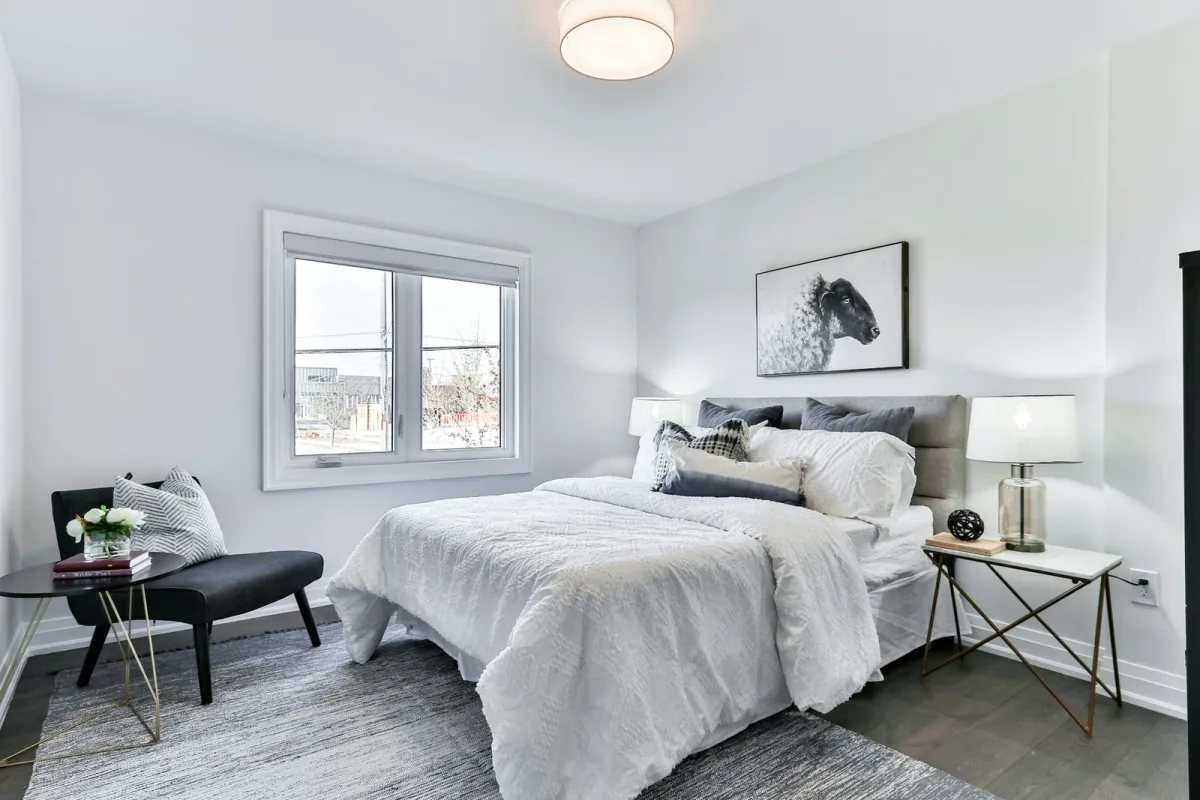
Keeping connected circulation zones (entryway, hallway, kitchen-living room) in one cohesive neutral base eliminates choppy doorway transitions and lets wood floors, stone countertops, and textiles stand out.
Equally critical is specifying gloss sheen and scrub rating (ASTM D2486 in the US; ISO 11998 / DIN EN 13300 Class 1–2 in Europe):
- Ceilings — Dead Flat (
< 2%gloss): Hides drywall joint crowning and window reflections overhead. - Living rooms & adult bedrooms — Washable Matte (
3–5%gloss, Class 1 wet-scrub): Rich velvety color depth that masks minor drywall skimming waves while wiping clean with a damp microfiber cloth. - Hallways, kitchens & kids' rooms — Eggshell / Low-Sheen Satin (
8–15%gloss): Tighter resin film resists grease splatters, fingerprints, and backpack scuffs. - Baseboards, interior doors & window casings — Satin or Semi-Gloss (
20–35%gloss) waterborne alkyd-urethane: Cures hard and smooth so trim wipes clean effortlessly and subtly frames matte walls.
4. Test Two-Coat 12 × 18 in Sample Boards—Never Paint Stripes on Old Walls
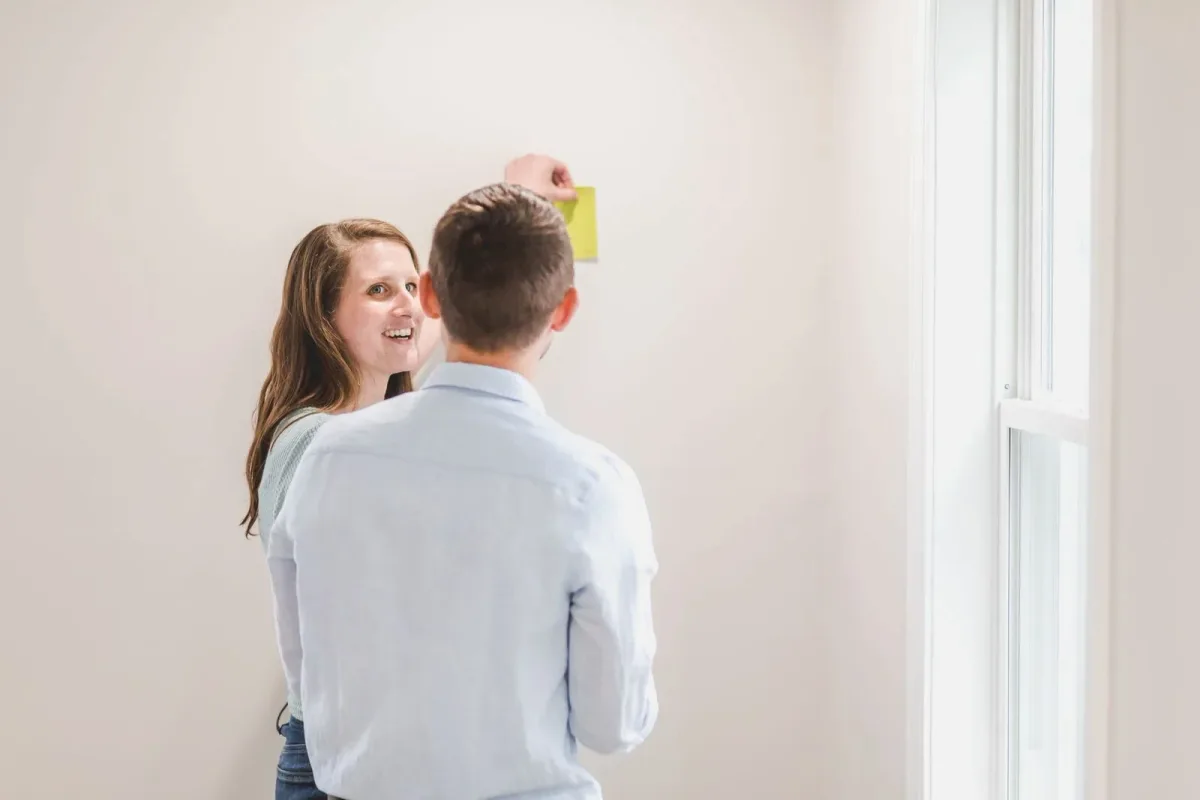
Brushing four tiny sample squares side by side directly onto an existing yellow or gray wall corrupts your perception through simultaneous contrast and substrate bleed-through.
How pros test paint accurately:
- Roll two full coats of each candidate sample onto
12 × 18 in (30 × 45 cm)white primed poster boards or peel-and-stick sample sheets, leaving a1 in (25 mm)white border around the edge to isolate the old wall color. - Tape the board low near the baseboard right next to your actual flooring and countertop samples (floors act as a giant colored reflector!).
- Move the board from the brightest window wall to the darkest corner and check it at 9:00 AM, 2:00 PM, and 9:00 PM under your room's actual evening lamps.
5. Balance the Room with the 60–30–10 Proportion Rule
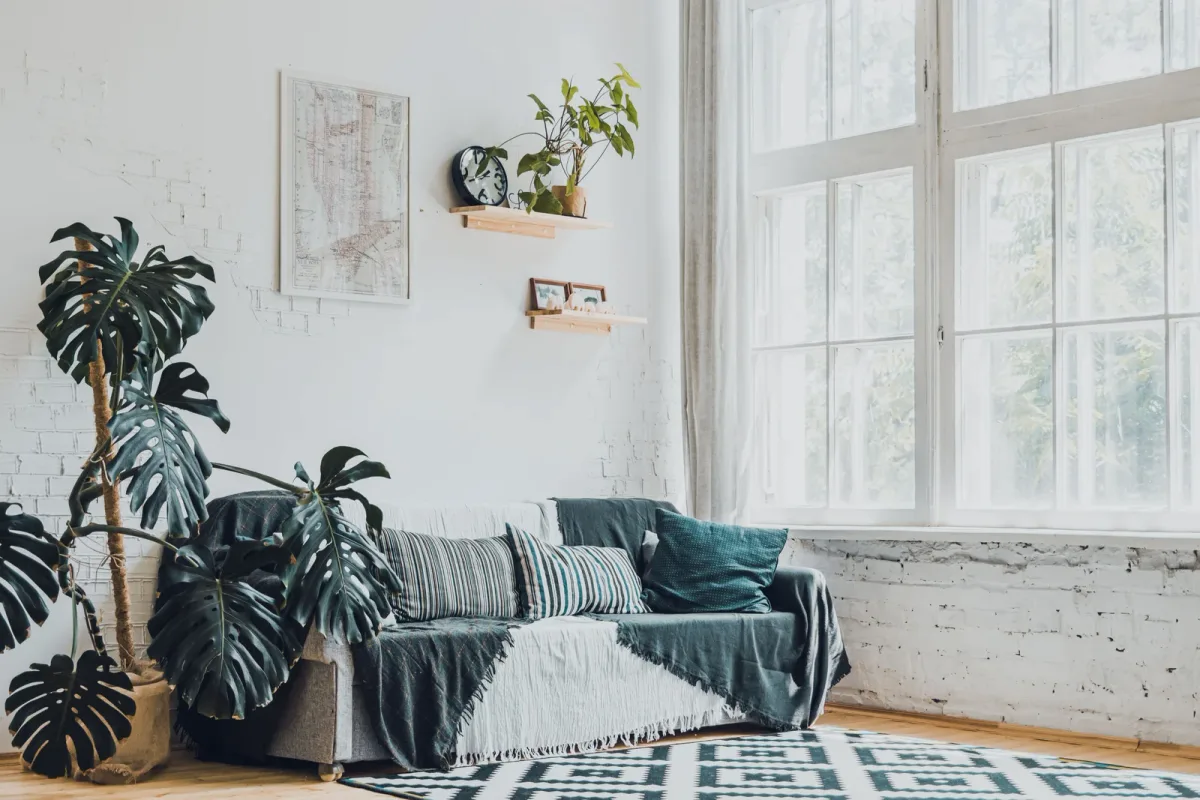
Visual clutter happens when three saturated colors compete at equal volume. Hold a disciplined ratio across every room:
- 60% Dominant Base: Walls, ceiling, and built-in millwork painted to blend with the walls.
- 30% Secondary Mid-Tone: Wood flooring, main sofa upholstery, full-height drapery, or lower kitchen cabinetry.
- 10% Intentional Accent: Repeated at least two to three times at varying heights—for example, terracotta throw pillows, a ceramic vessel on the dining table, and warm ochre tones in framed wall art—so the eye reads deliberate rhythm.
Build balanced 60–30–10 combinations in seconds with our Color Palette Generator.
Estimate Exact Gallons / Liters and Prep Safely
Calculate exact primer and two-coat finish quantities (deducting doors and windows automatically) below:
Paint Calculator
Estimate paint for the walls and ceiling. The calculator uses standard door and window sizes.
Health & electrical safety note: Specify zero-VOC or low-VOC (< 50 g/L) waterborne acrylic paints, maintain cross-ventilation while rolling, and turn off the branch circuit breaker and verify zero voltage with a tester before unscrewing switch and outlet faceplates for cut-in brushwork.
Continue planning your paint project with:
- Living Room Color Tips — palette formulas for open-plan spaces.
- Preparing Walls for Painting and DIY Wall Painting Guide — skim-coating, priming, and lap-mark-free rolling techniques.
Turn the idea into a working budget
Start with the main calculator, then use the two tools that most naturally follow this article.